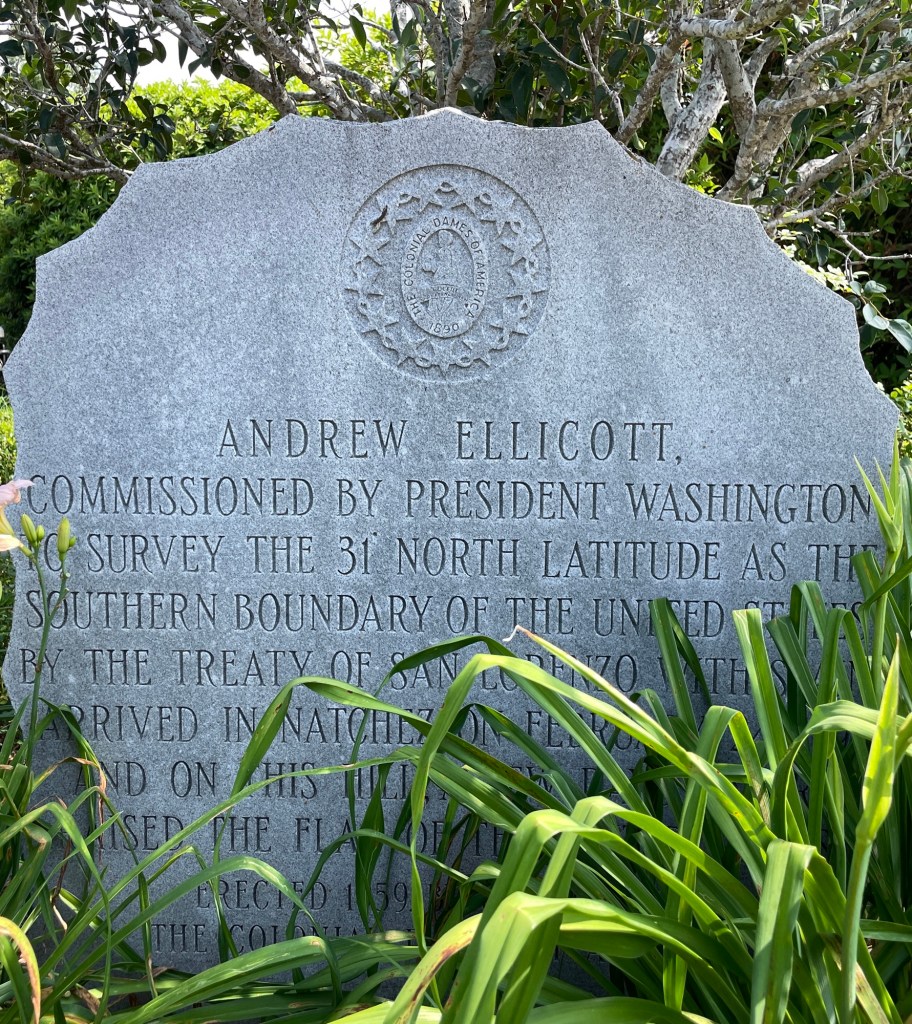
Our ship docks at Vidalia, LA and we are off the ship early to do the Cotton & Music excursions. Again, so much history to learn both on the bus to the plantation and then at the plantation. This area along the Mississippi was controlled first by the French in 1716, then the English and then the Spanish before the USA was given control by the Spanish in 1796. The Don Luis Vidal was the Mayor of Natchez in 1796 when Spain turned the Mississippi territory over to the USA. Vidal refused to leave the city as Mayor. President George Washington sent out a surveyor named Andrew Ellicott to survey the land and plant the American Flag and force/convince Vidal it was time to leave. What did Vidal do? He went across the Mississippi River and settled on the other bank. That city became Vidalia after Don Luis Vidal. (This is not where Vidalia onions come from – that’s in Georgia, but you knew that!)
Back to the Cotton industry. Our tour of the cotton plantation begins at the original site of the plantation called Frogmore.
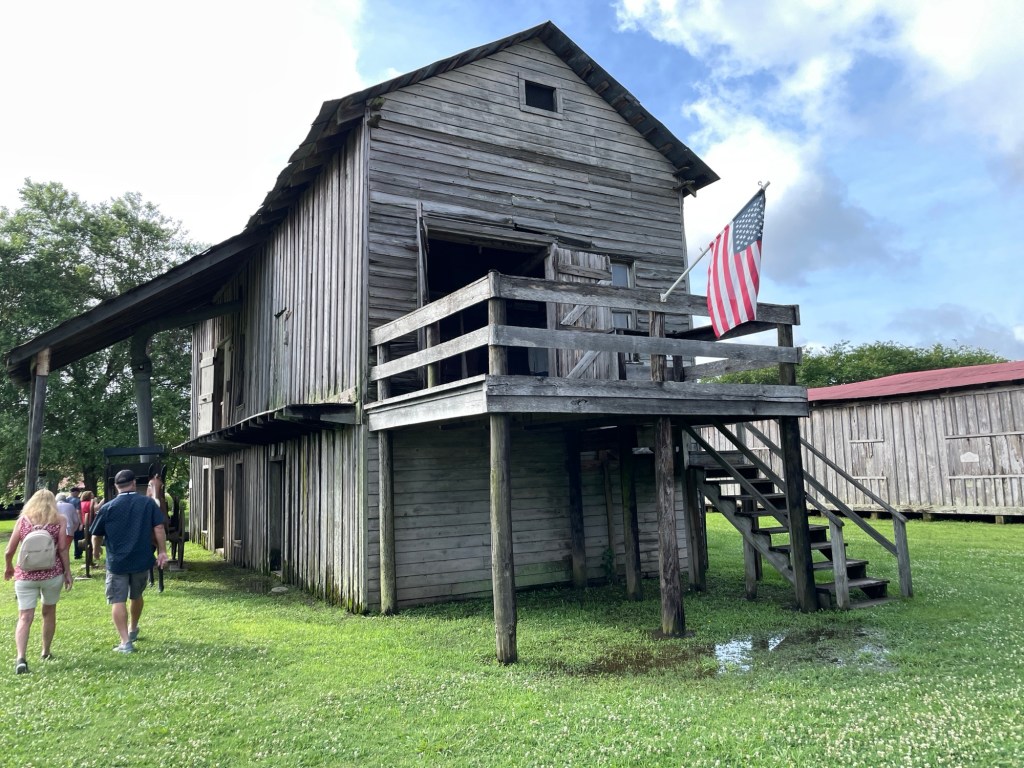
The current owner has done an excellent job of taking the old buildings, restoring/maintain them enough to be able to describe the life on a cotton plantation back in the early 1800’s. Rather than describe the tour, here’s a link that gives an excellent overview of what we saw and I’ll just post some pictures.
https://www.frogmoreplantation.com/historical
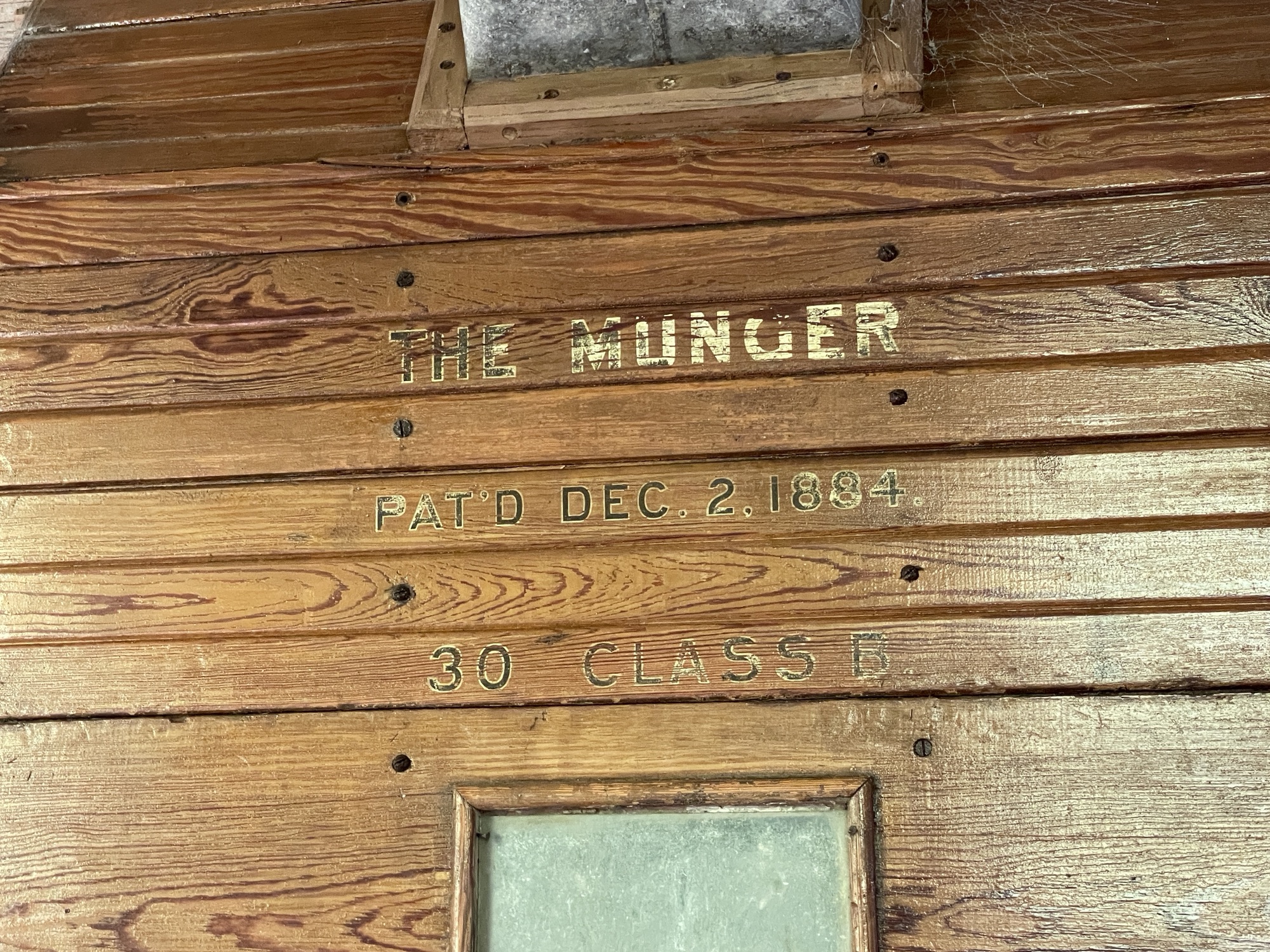
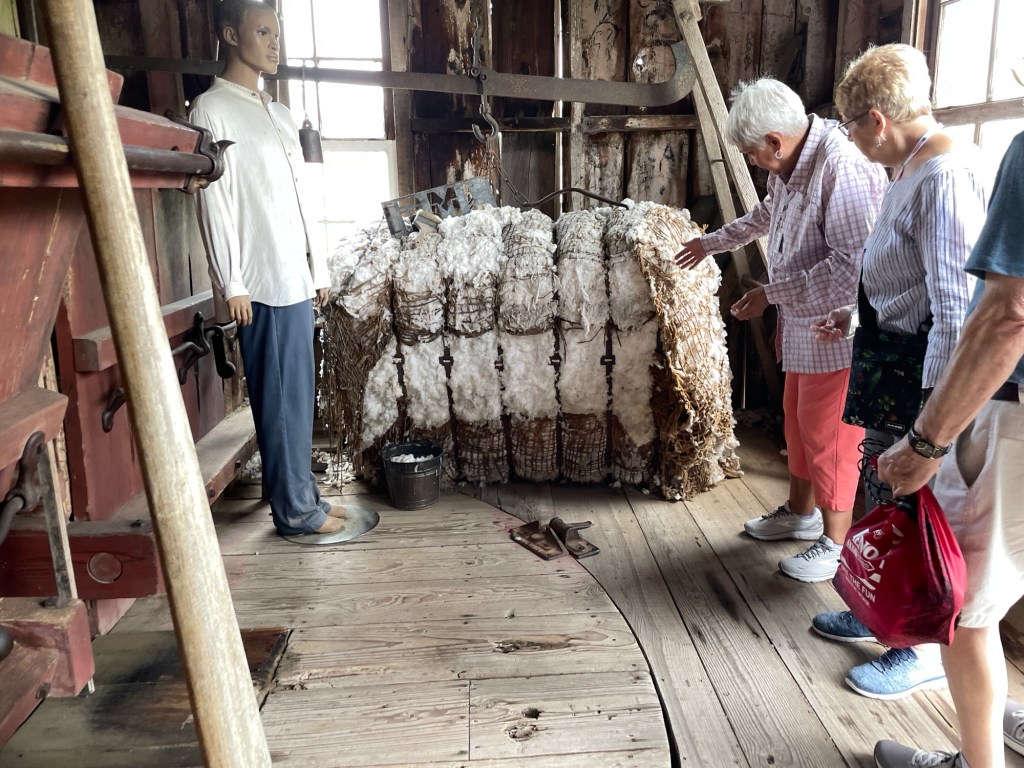
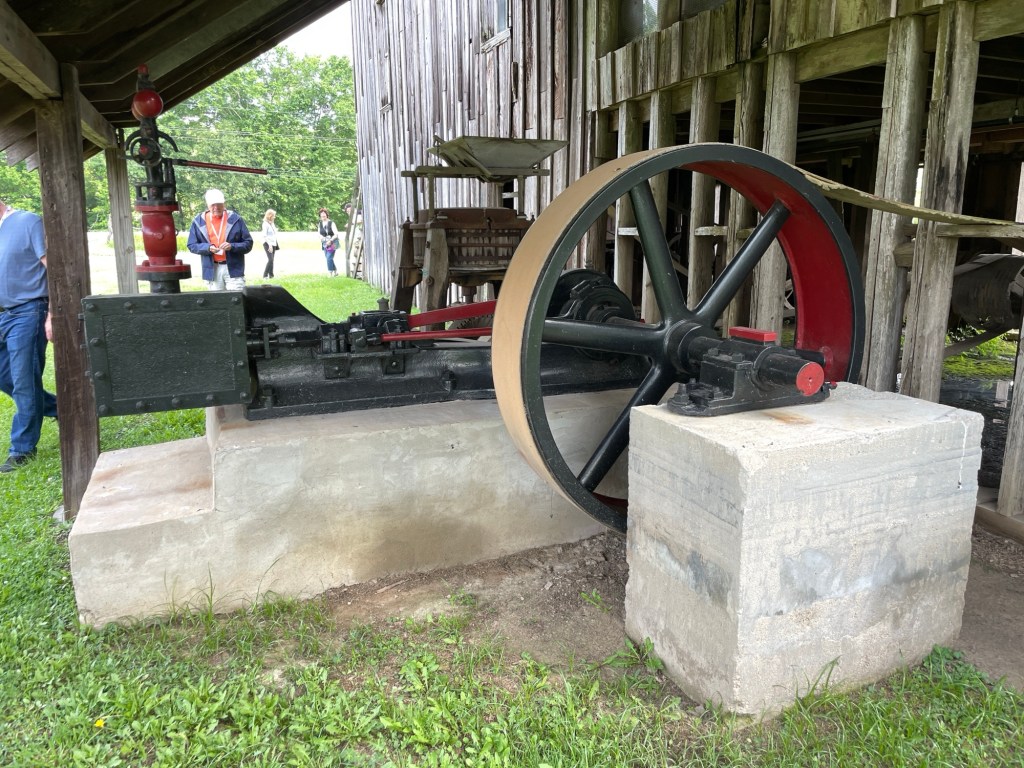
These pictures are of the Cotton Gin made by Munger. This gin is on the list of National Historic Sites. Fascinating and hard work! This gin could create one bale of cotton every 45 minutes. Today’s gin’s create one every 2 minutes.
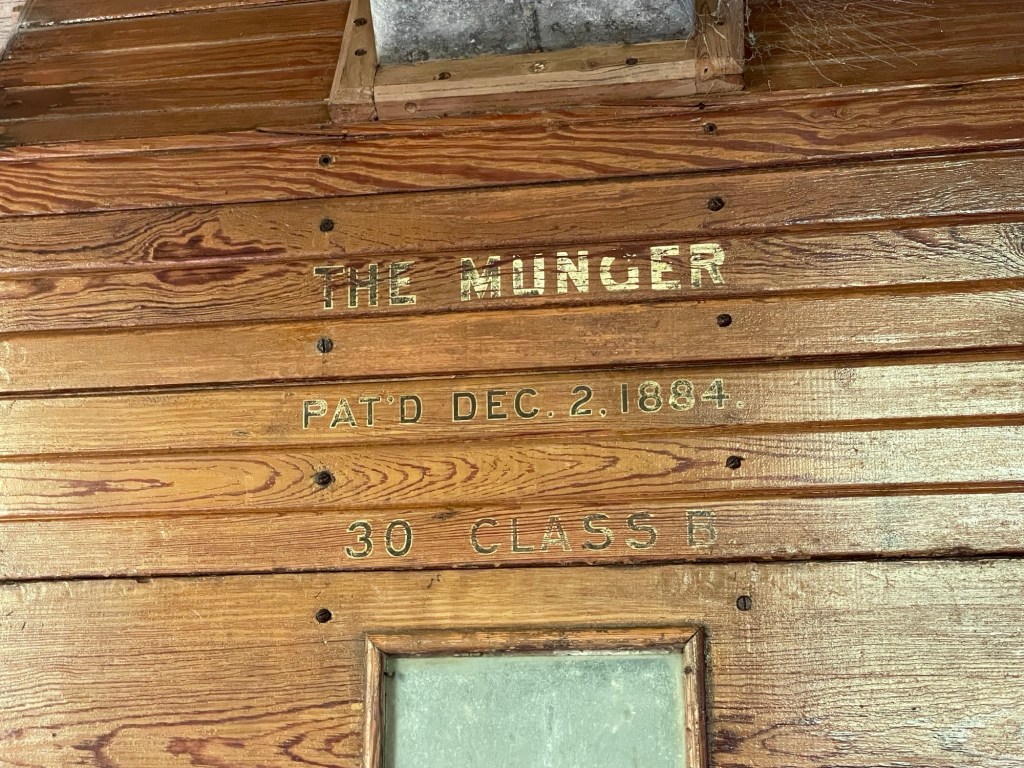
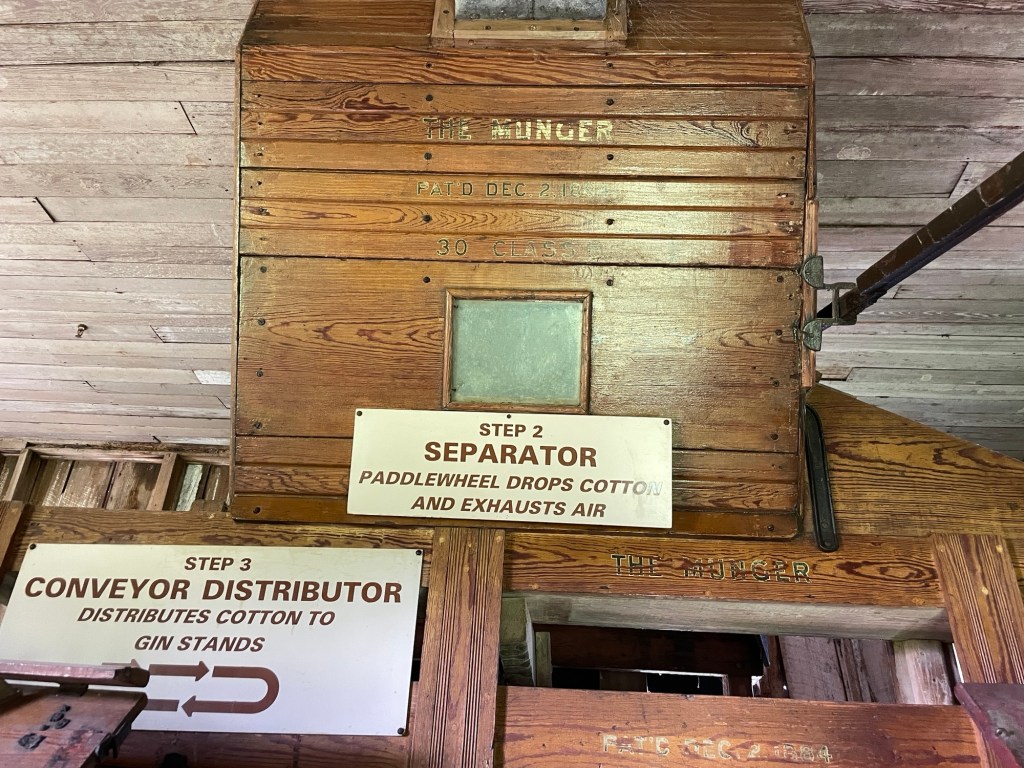
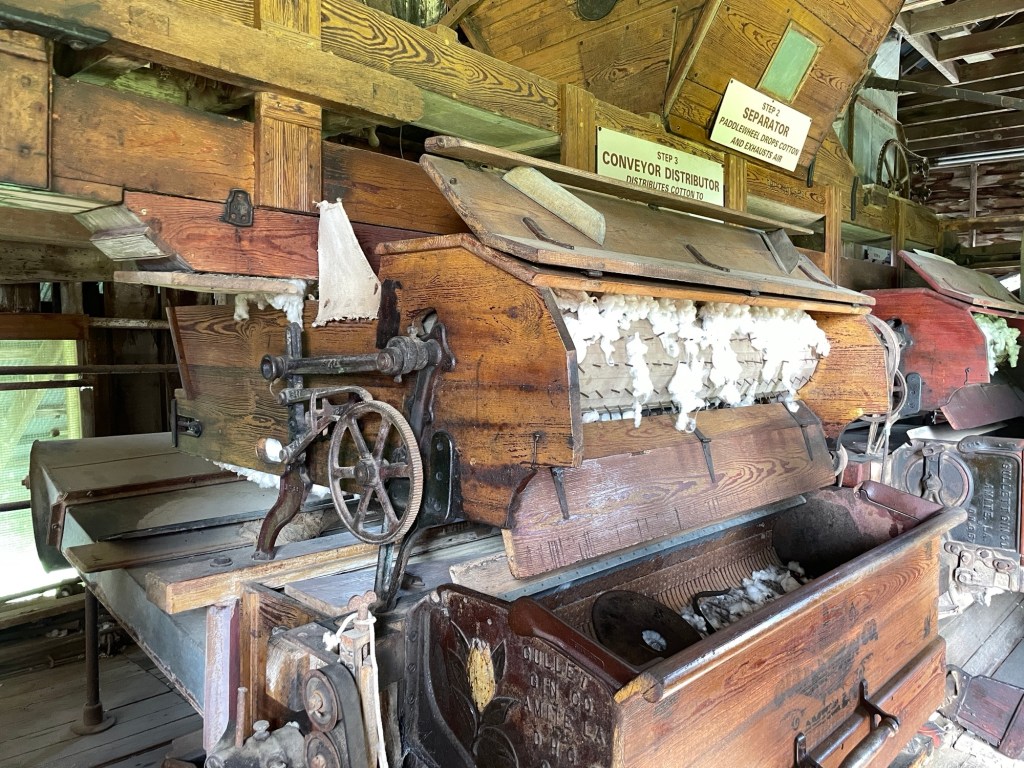
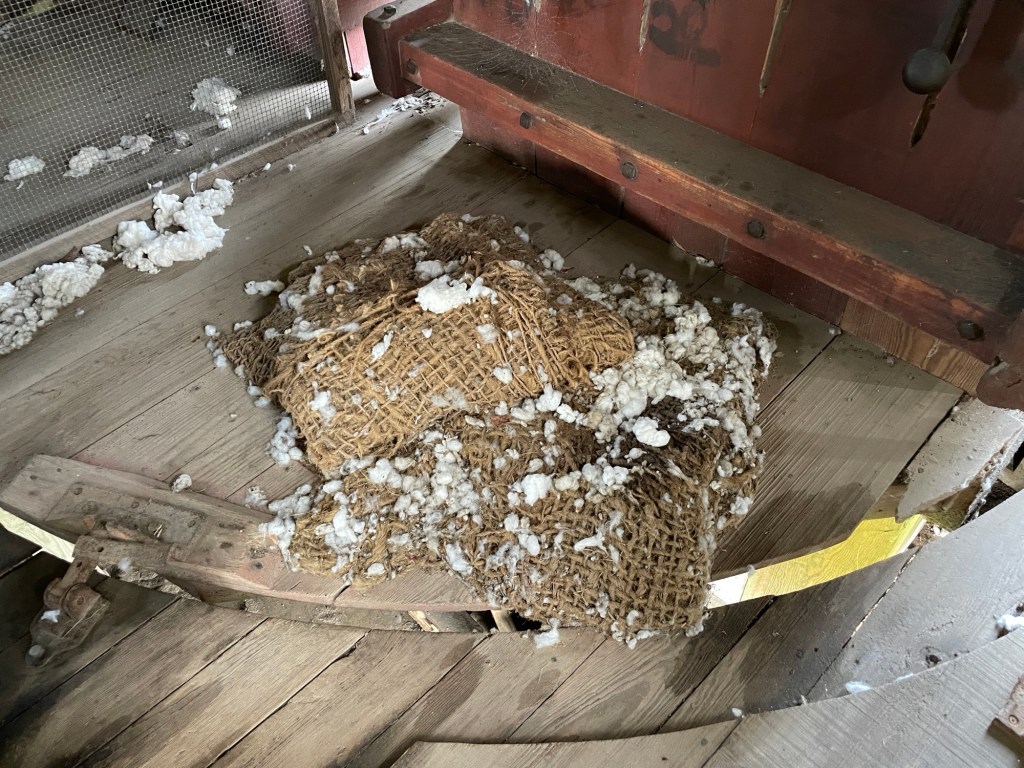
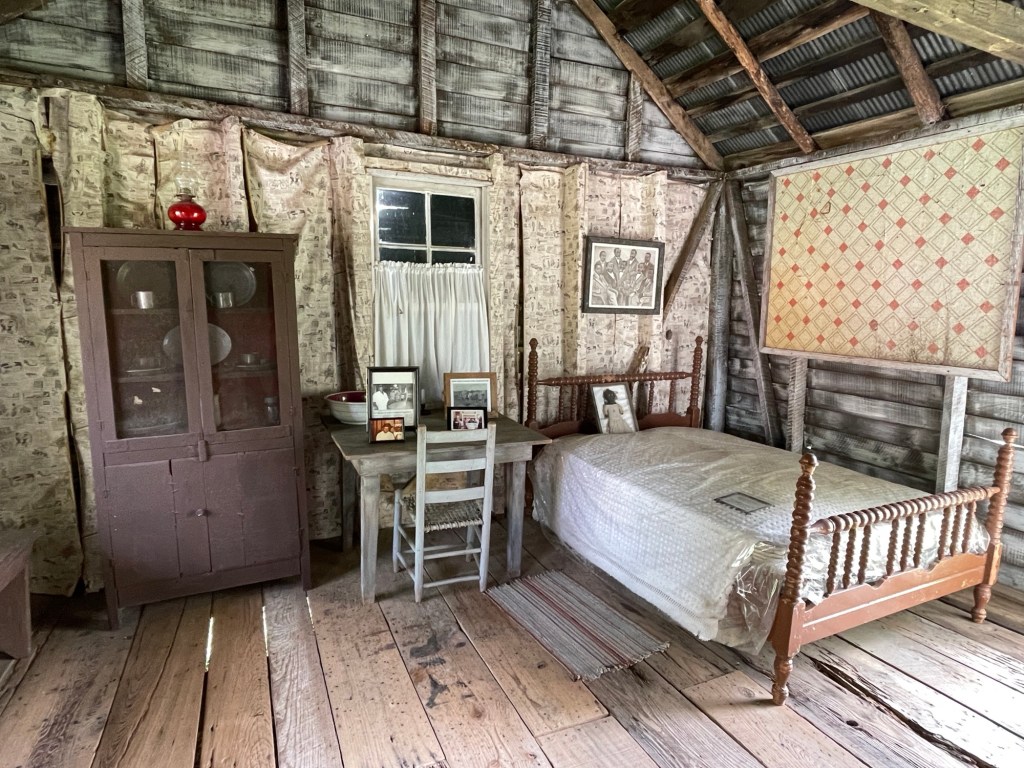
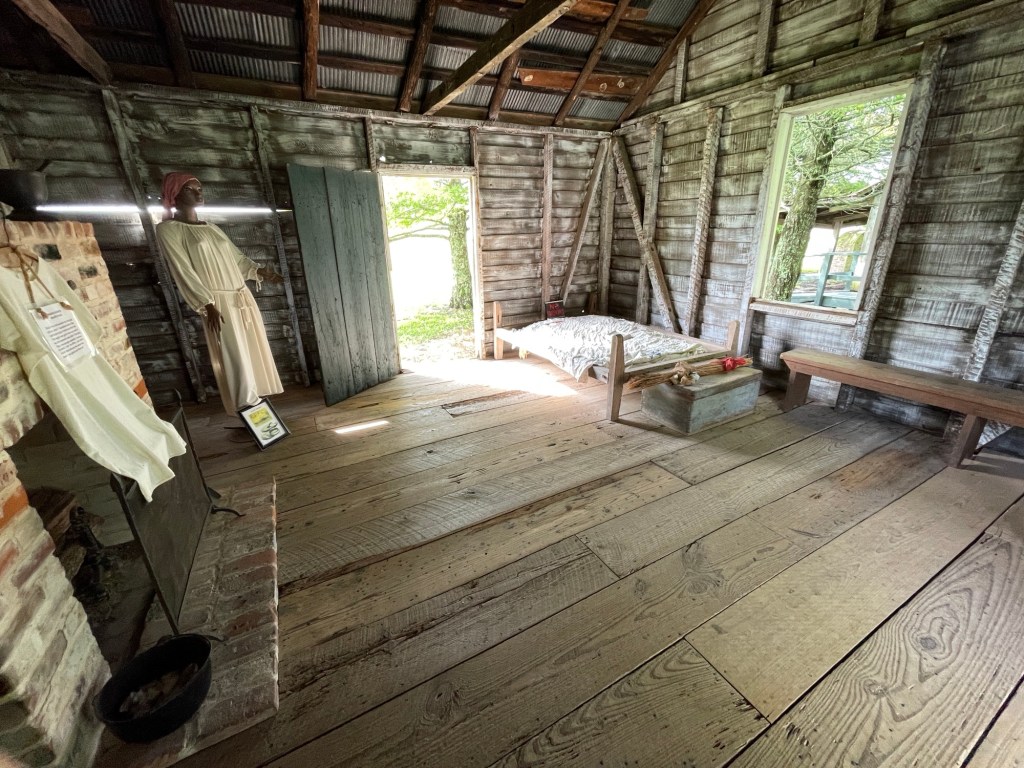
We follow a period-dressed guide to see the other buildings on the plantation. There were 159 slaves on this property helping with the planting and harvesting the cotton. There actually was a full-time hunter as well as foreman’s, field workers, and cooks. The foreman had his own cabin while the workers/slaves had two families per cabin.


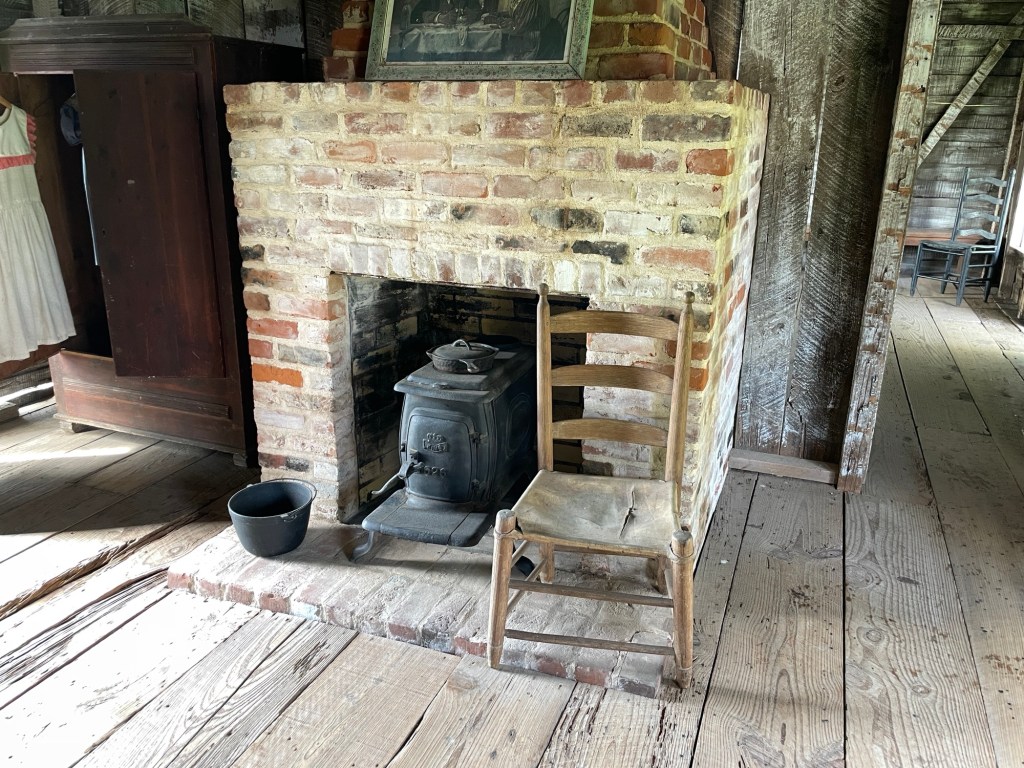
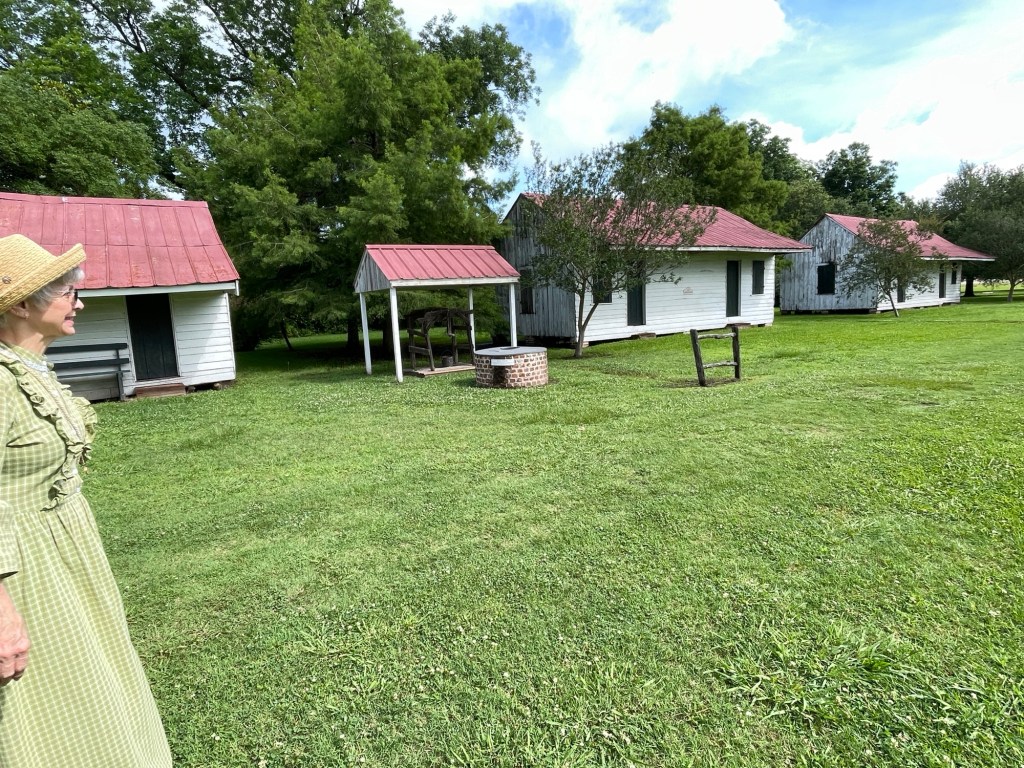
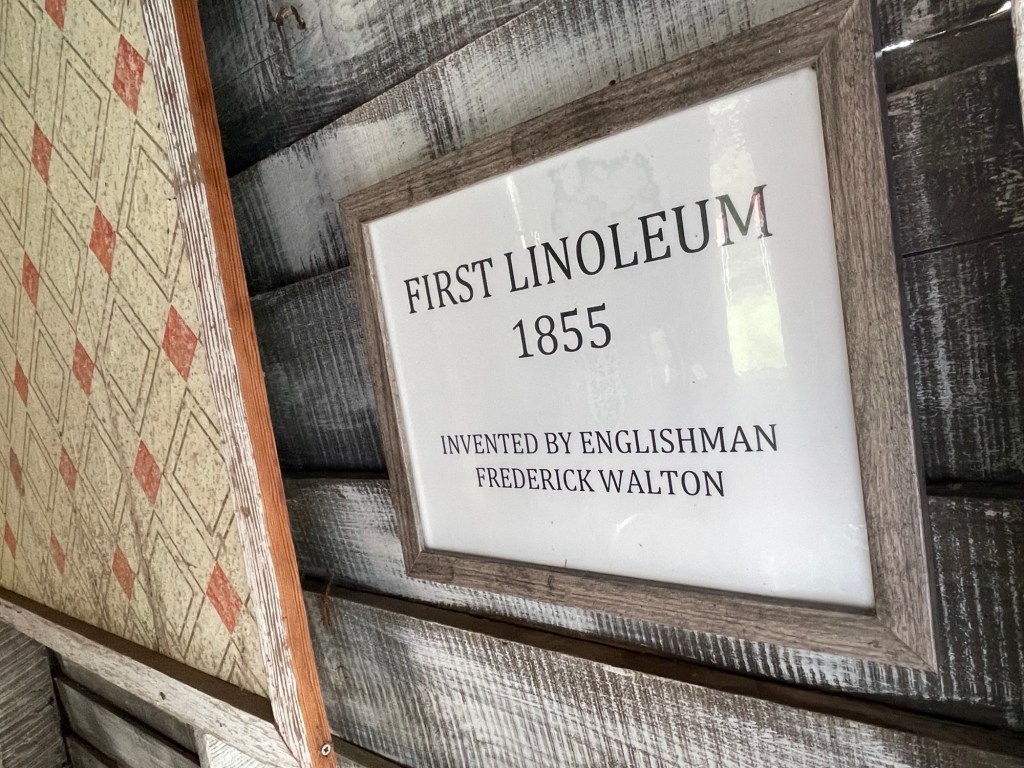
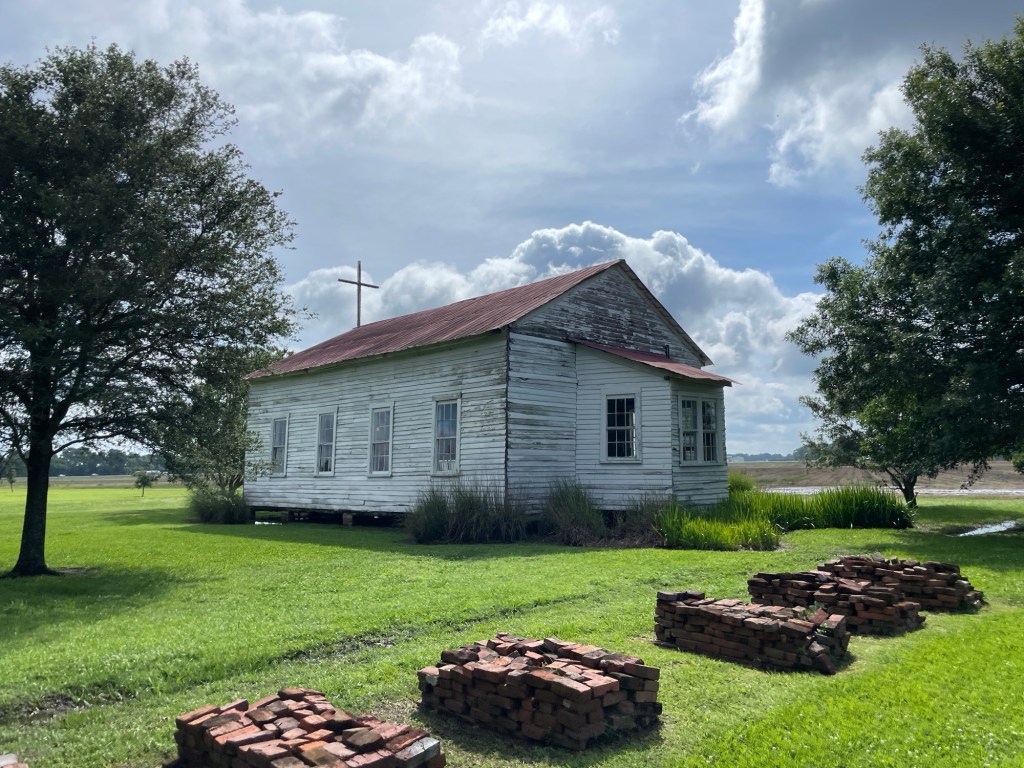
A church is also on the plantation. We are entertained with some more history and two gospel singers singing the classics – Amazing Grace, Rock of Ages, Down by the River, and others. Fun!
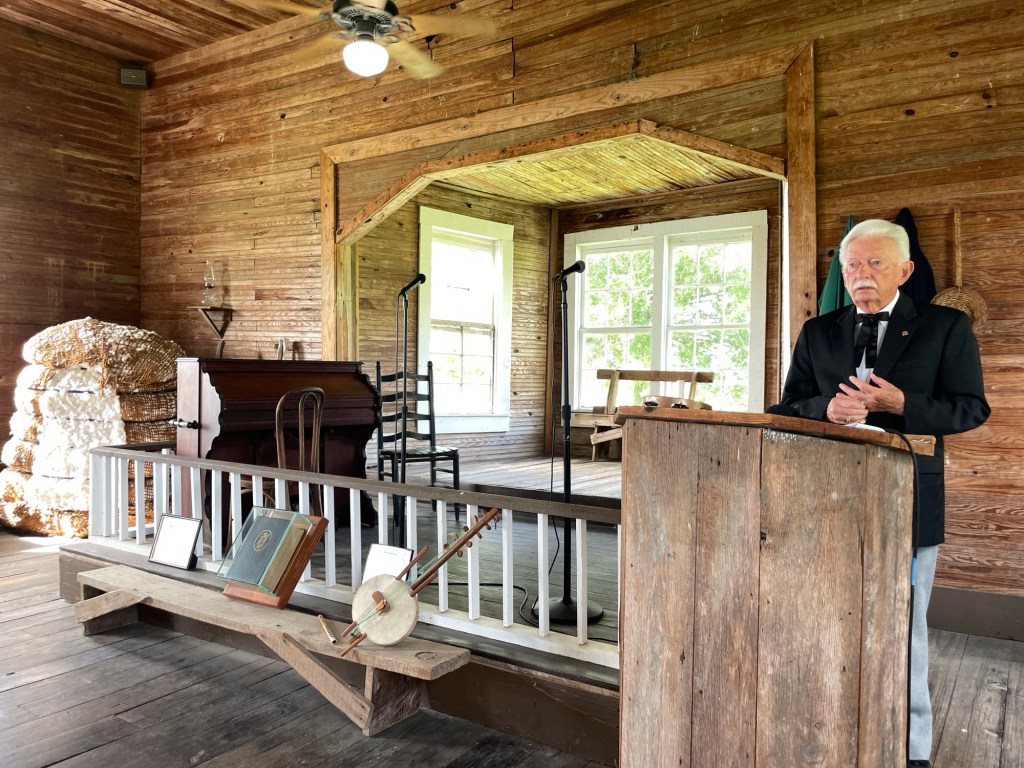
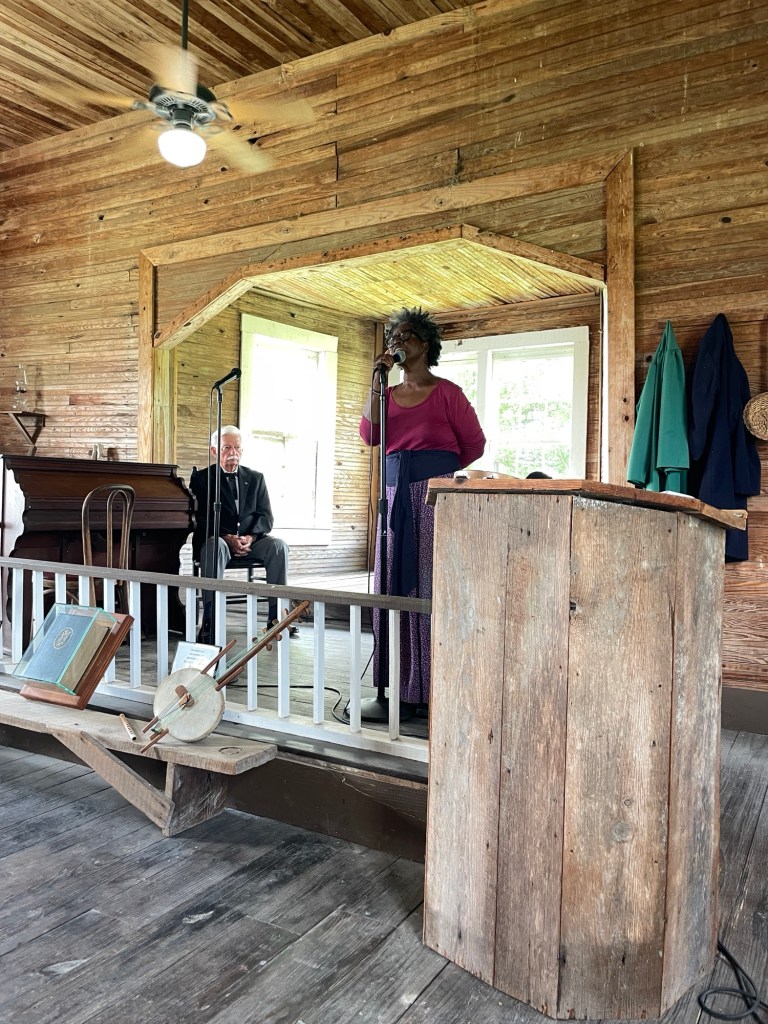
The Tanner Family now owns 4400 acres and process even more acreage of other farmers at their modern ginning facility. The John Deere can harvest up to 450 acres in a day, not many people needed to do that. The tour concluded by seeing the current facility which is also used by the USDA to grade cotton from all over the USA.

Some interesting facts about cotton. Cotton is planted in May and use to be picked three more times. Now, it is planted and only picked once with ginning in late October early November. The cotton seeds in Louisiana came originally with the French settlers who had brought the seeds from Thailand. The cotton plant flowers yellow on the first day, opens up pink on the second day, and then wilts on the third day. 42 days later it is ready to be picked. Cotton plants deplete the soil so Milo is grown to replenish the soil.
Cotton is graded today using cameras and computers. This determines how it will be priced and used. It is traded on the Chicago Board of Trade. 80% of USA cotton is shipped Internationally. LL Bean and Land’s End only use USA Cotton for their products. One cotton bell (not called a bale anymore!) can weigh up to 515 pounds depending on the type of cotton. One cotton bell can make 1200 Men’s T-Shirts, 200 Jeans, 8,000 handkerchiefs and $13,600 in $1.00 bills
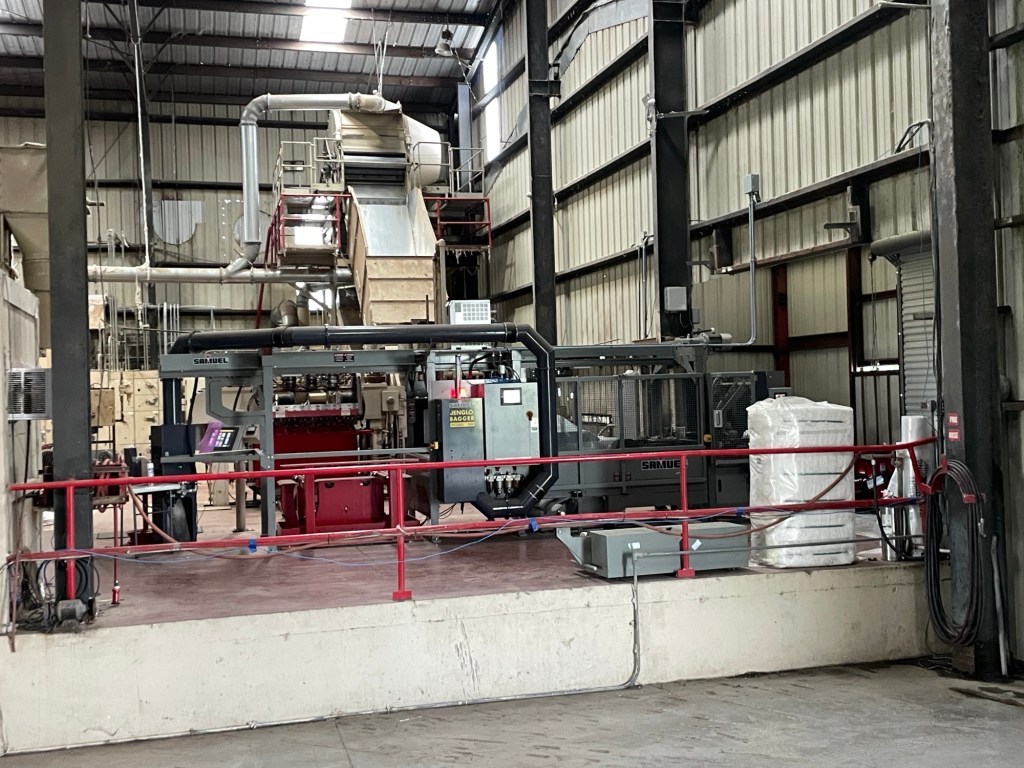
Only 5% of seeds are needed the next year for planting. So the leftover cotton seeds are used to make cottonseed oil. This byproduct is used in food, Yankee Candle wicks, Glue on duct tape, nitrates used to make TNT and ammo, livestock fee, and many more items.
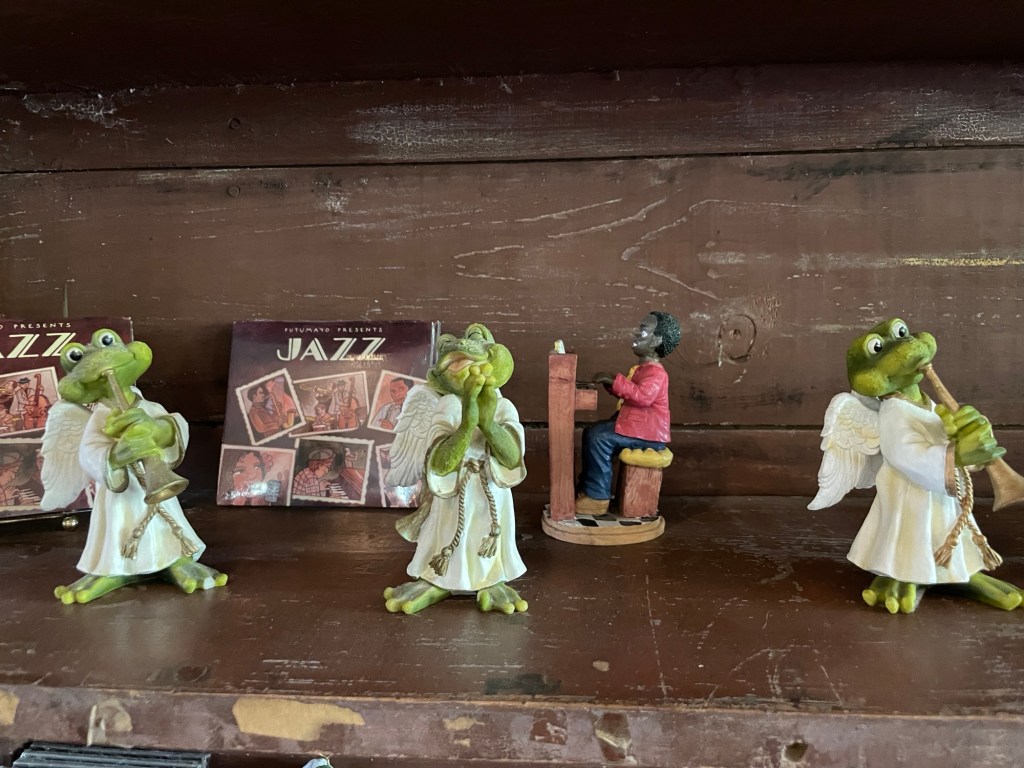
An end of tour wouldn’t be complete without visiting the general store/gift shop. Lots of interesting tourist kitschy stuff to buy.


As we ride back to the ship, our bus guide tells us a fun fact as we drive through Ferriday. There are three cousins from this town – Jimmy Swaggart, Jerry Lee Lewis, and Mickey Gilley.
 Traveling Lynn
The worker/sharecropper homes remind me of the simple concrete-block homes one sees lined up today next to large dairy farms today, for the workers and their families. Also, homes of similar construction to these dotted the prairies of Oklahoma and Kansas years ago, built and inhabited by land-owning homesteader poor “dirt farmers.” Times and locations change, circumstances remain the same.
LikeLiked by 1 person