I am certain you are thinking, if you have seen one Civil War battlefield you have seen them all. I can say, not true. The approach taken to preserve the historical significance of this battle and the soldiers who lost their lives should never be forgotten as part of our history. This land was set aside as a National Military Park in 1899. The visitor center does a good job of presenting an overview.

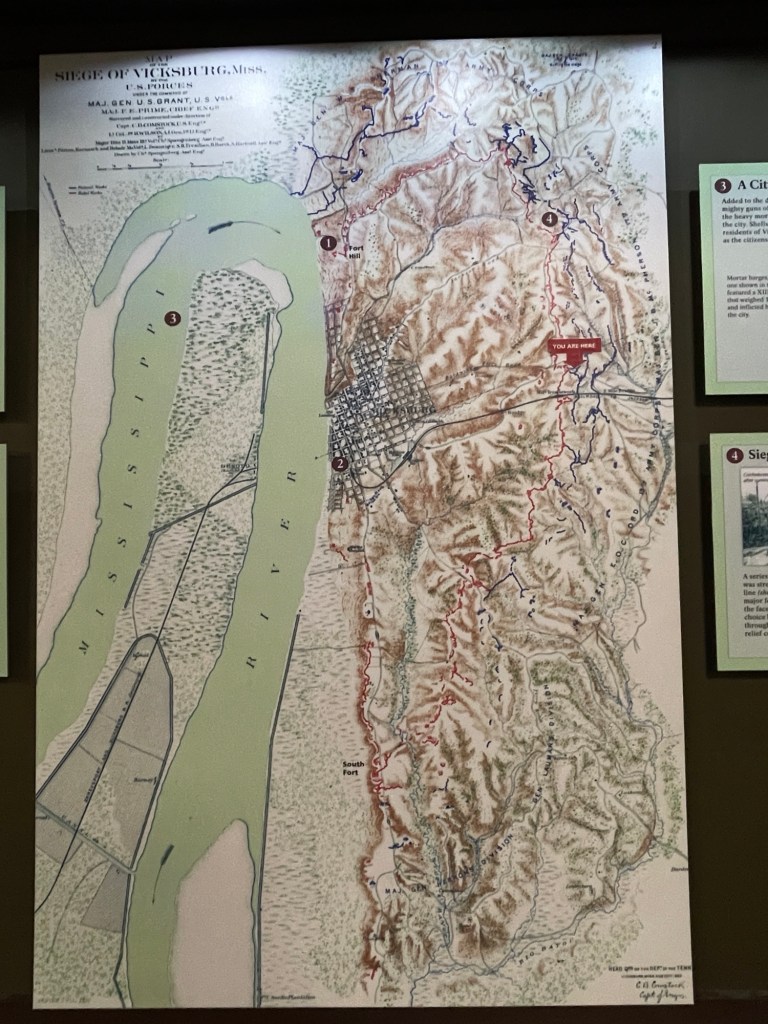
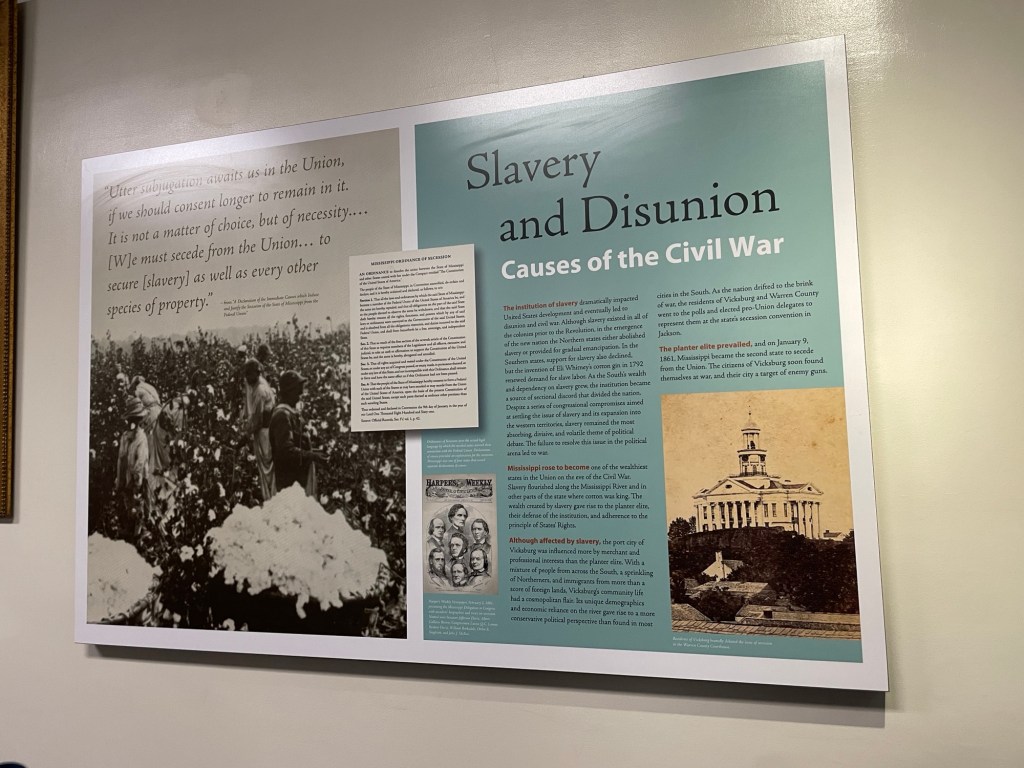
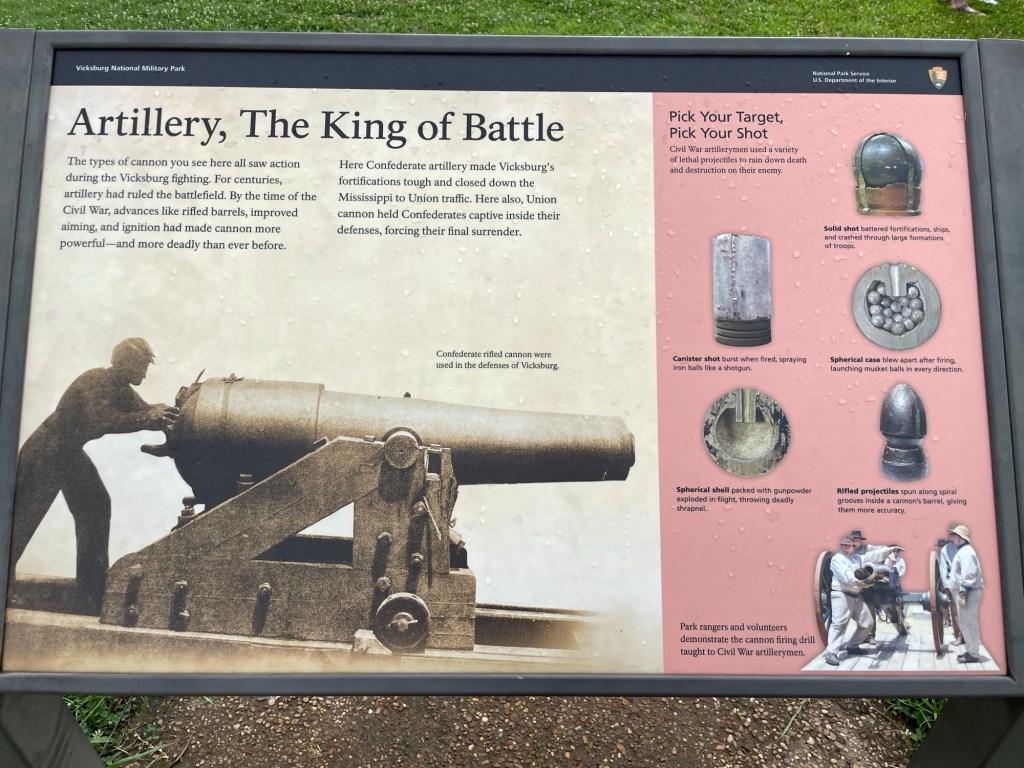
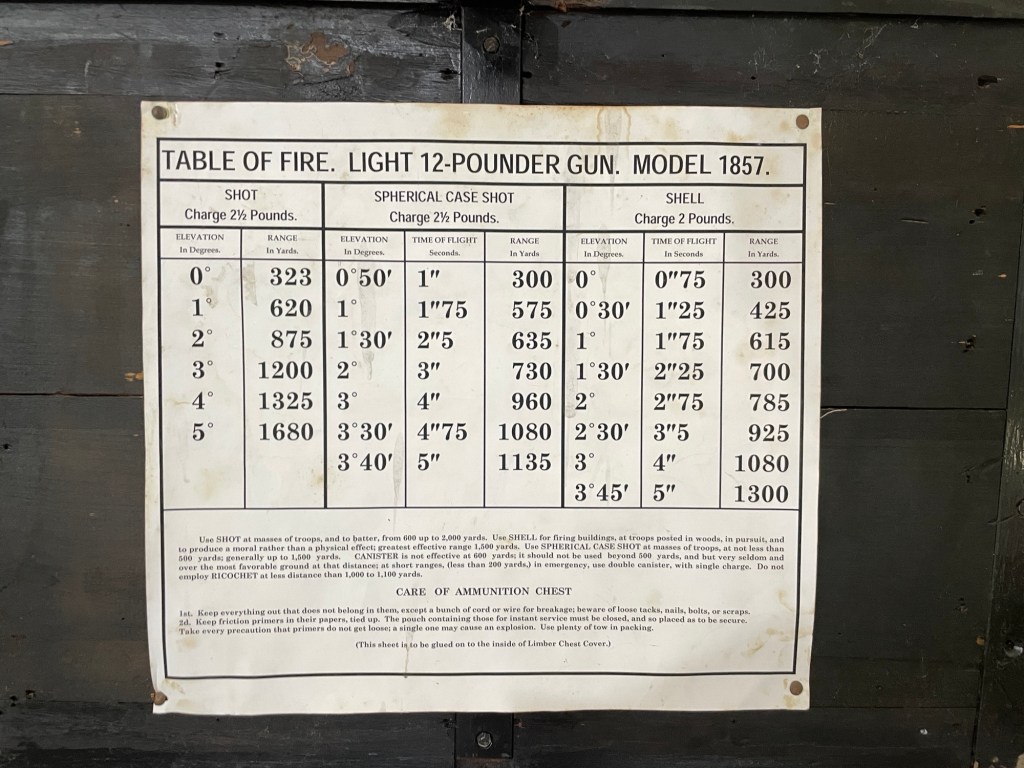
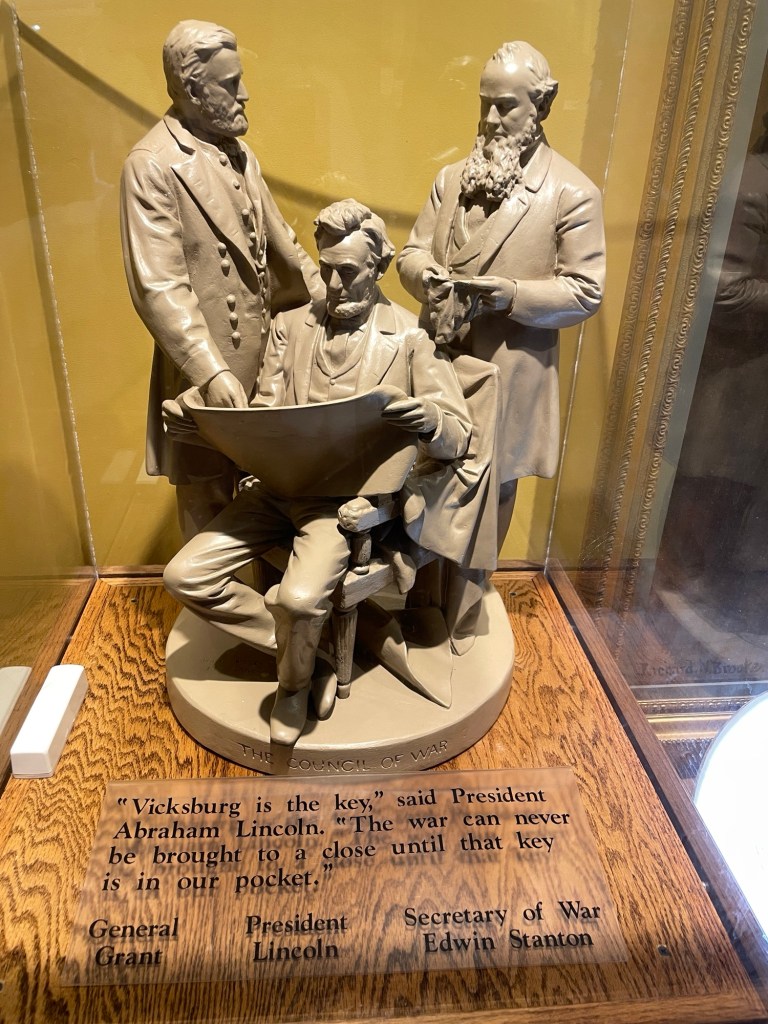
Our tour guide is a Vicksburg local who taught history and he really knew everything about the challenges and significance of the Siege of Vicksburg in 1863. President Lincoln said, “Vicksburg is the key and we must have this key in our pocket.” Confederate President Davis said, “Vicksburg is the nailhead that held the South’s two halves together.”
You can read for yourself all about the details of the battle all over the web.
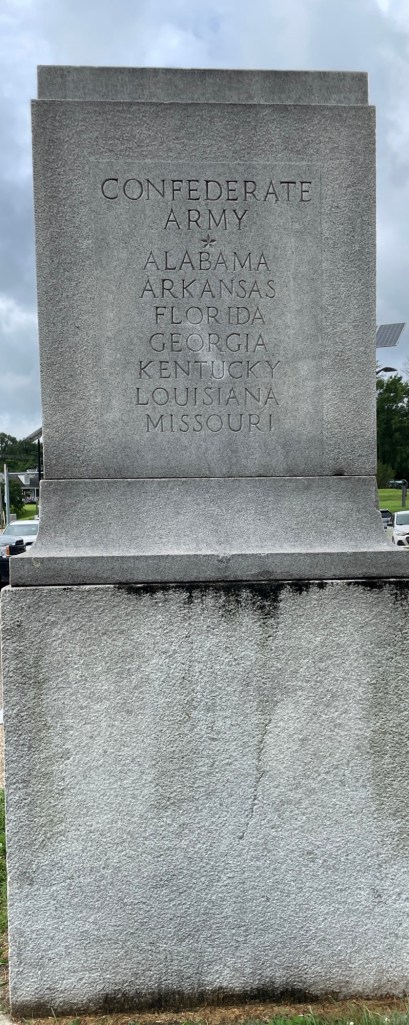
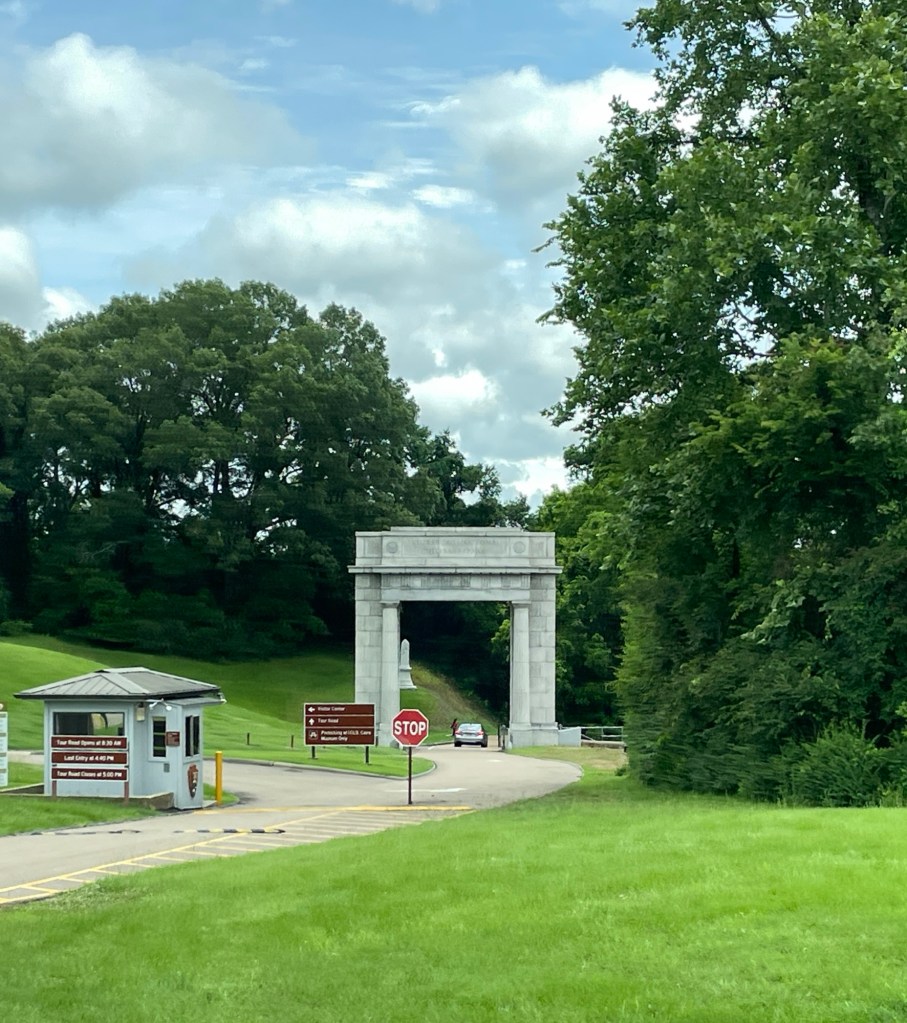
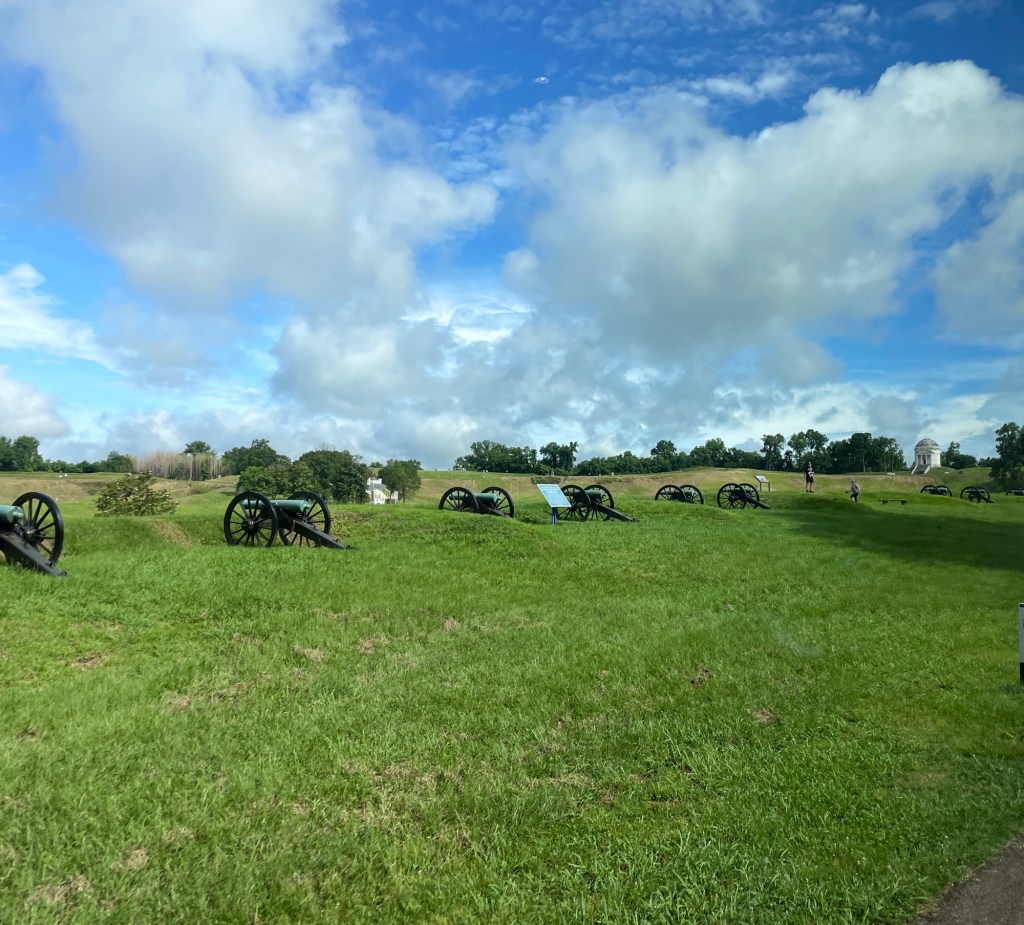
Some interesting facts. Grant has an army of 45,000 soldiers. Confederates number around 26,500 and grew to 32,000. They knew Grant was coming and both sides utilized trench warfare. If you see the geology of the area, it becomes clear – there is nowhere to hide. While there are trees today, there were none when the battle occurred as it was mostly agriculture in this area outside of the town of Vicksburg.
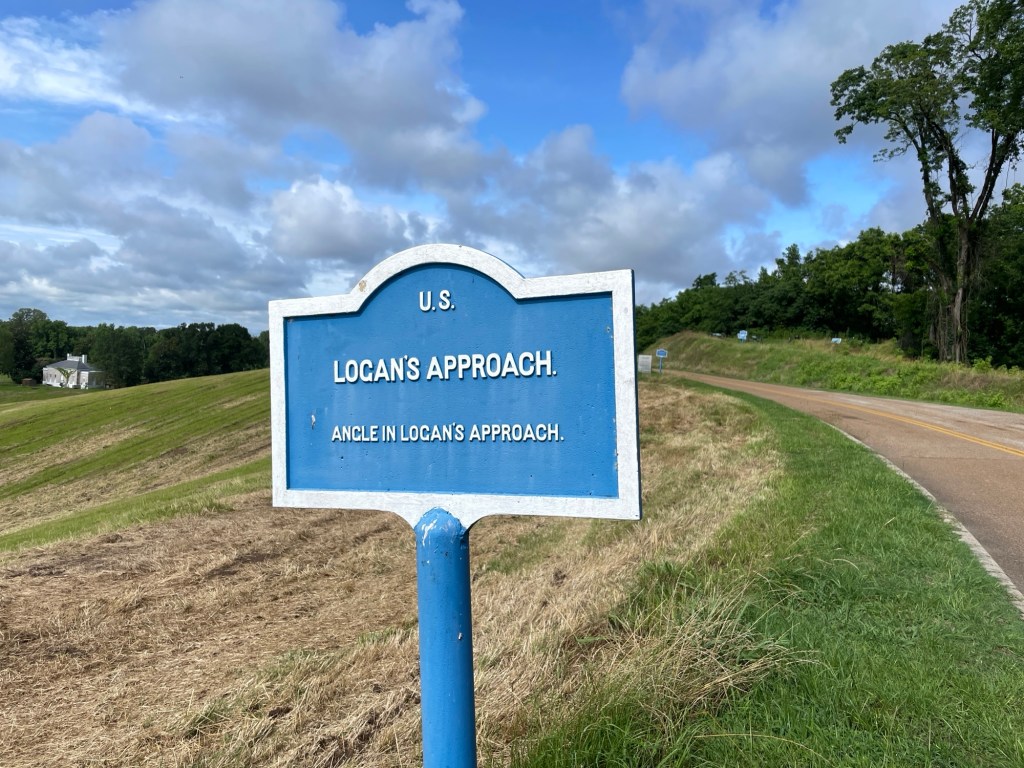
Grant uses the trench warfare tactics much better: 1) Surround your enemy and nothing gets in or out. 2) Continuous bombardment 3) build trenches called approaches back then to be able advance. The trenches were 7 feet deep and 8 feet wide. The union filled their trenches whey they left the area.
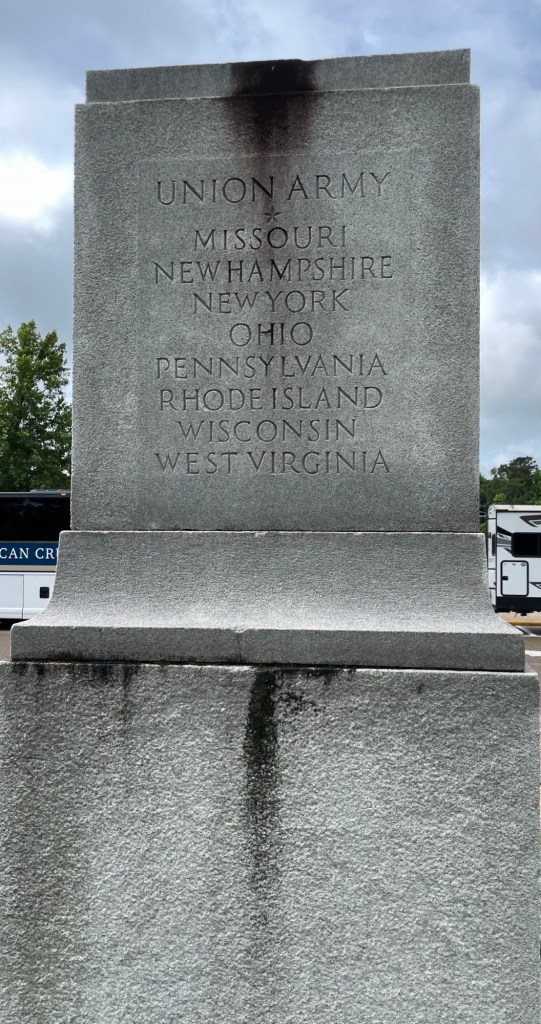
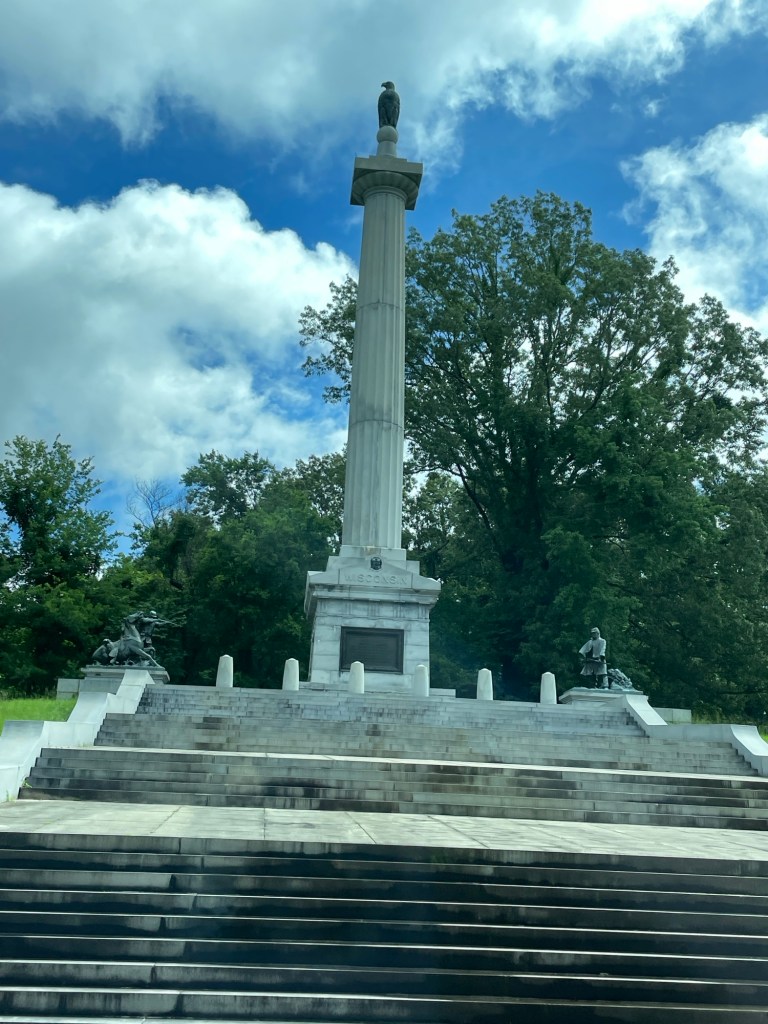
The park contains over 1500 monuments dedicated by each state who had soldiers serve at Vicksburg and the many who lost their lives. Many of the Union states were given at a veteran’s reunion in 1917. The Confederate states did not have many until mid 20th century.
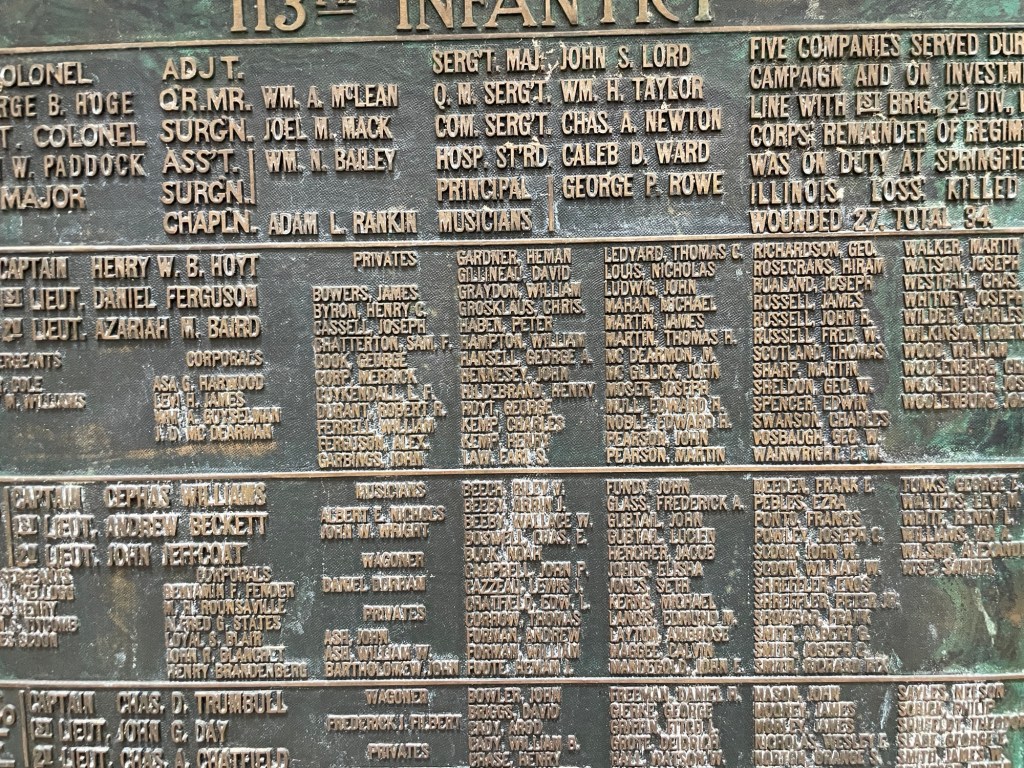
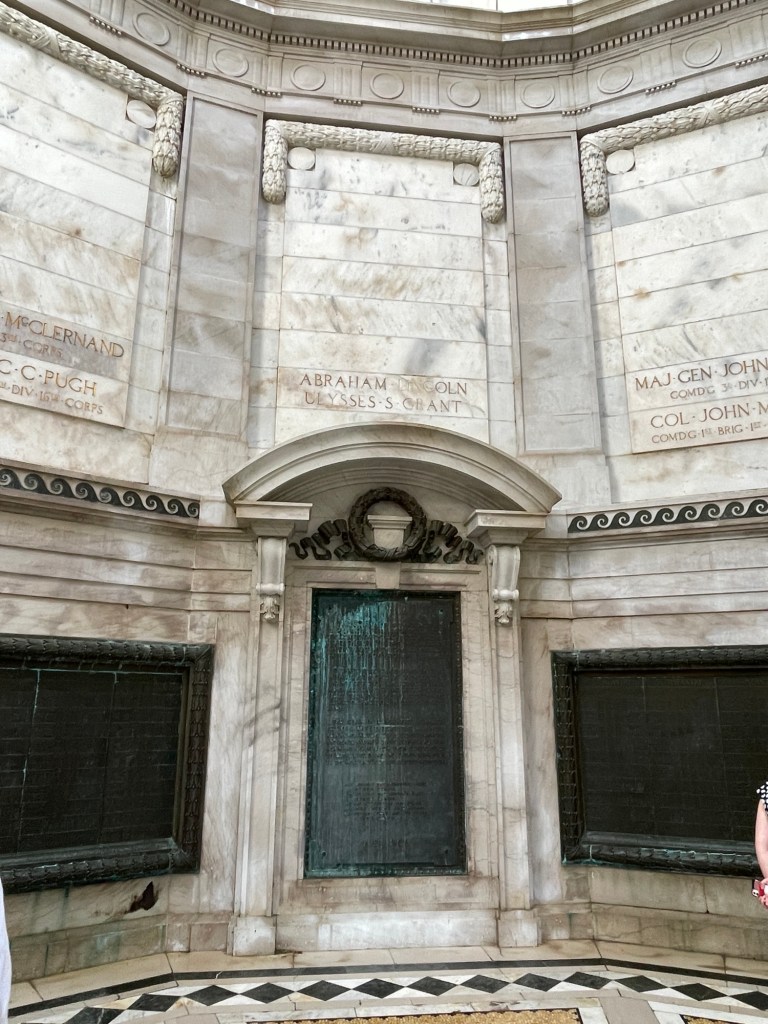
The largest is the Illinois monument. It has 47 steps leading up into a Pantheon shaped building. Inside are plaques with the names of every person who served from the 8th infantry to the 131st. Illinois had the most soldiers at this battle – 36,000. Other states built obelisks. There are also individual stone monuments for each division both confederate and union throughout where they were located when fighting. Our guide has many, many stories about the men and the battles.

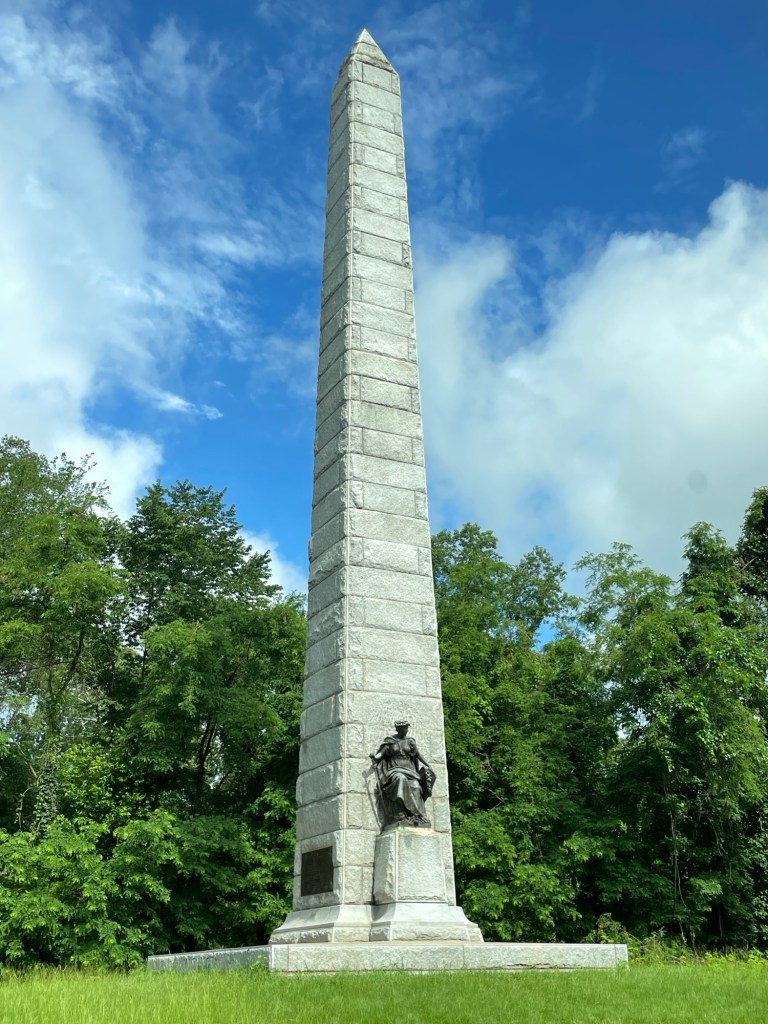

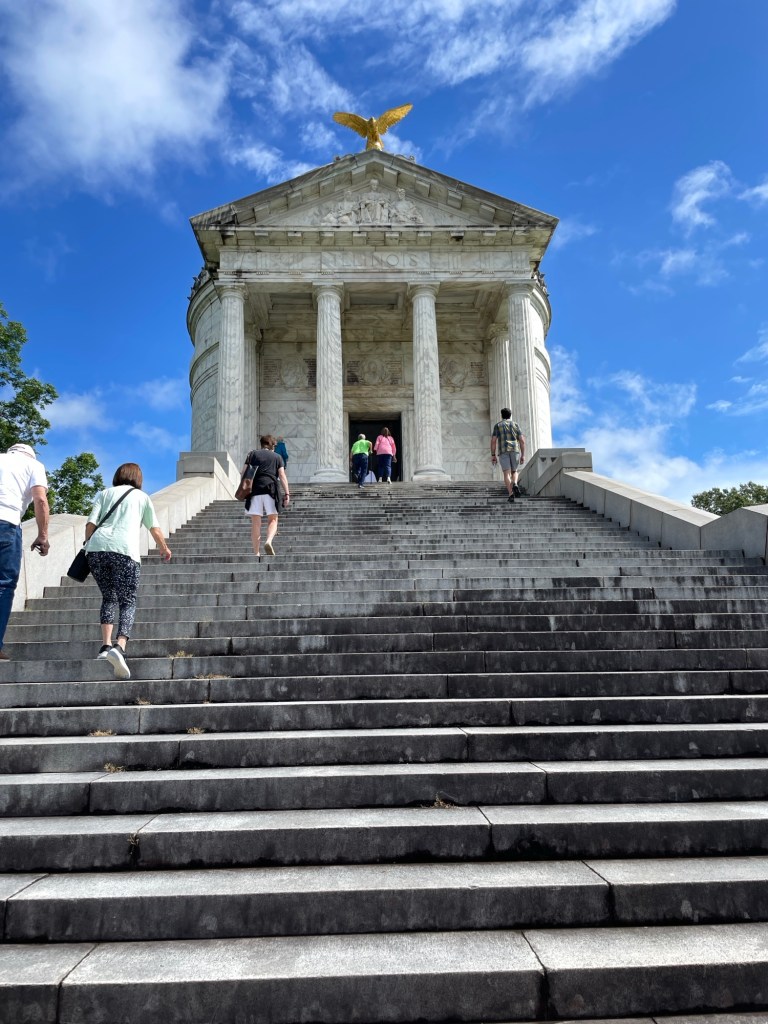
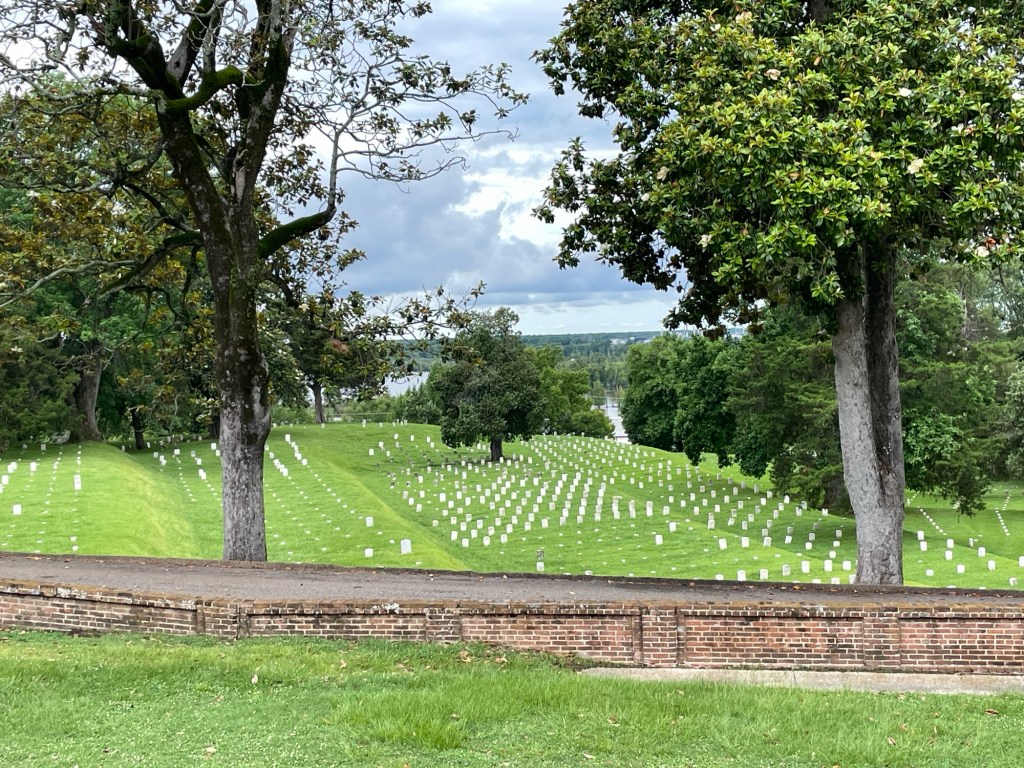
Finally, we come to the National Cemetery inside the park. 17,000 Union soldiers were transferred to this cemetery starting in 1868. Two-thirds of the soldiers who died are unknown. Confederates have their own cemeteries because they buried their own closer to the city where the battled occured.
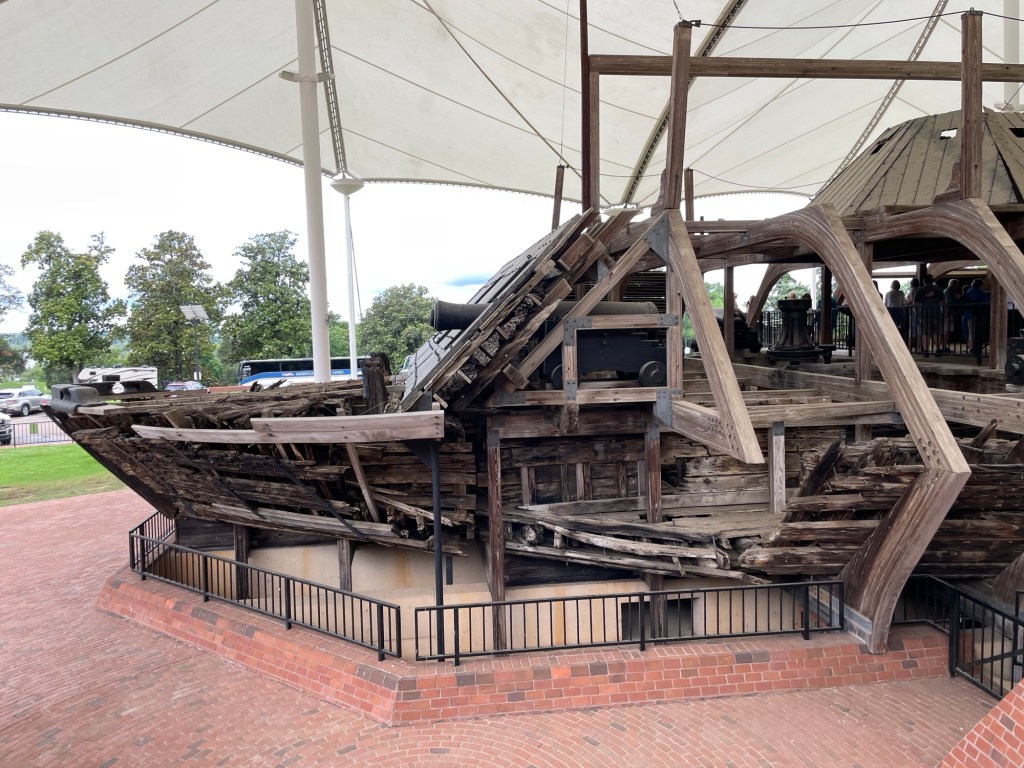
And finally, there are the remains of the USS Cairo, which was lost to submerged mines in December 12, 1862. It was one of seven “Ironclads” built by the Union to help secure the waterways during the civil war. It was raised from the bottom of the Yazoo River in 1964 leaving its contents in excellent condition. Our tour stops at the USS Cairo visitor center and the ship on display outside.




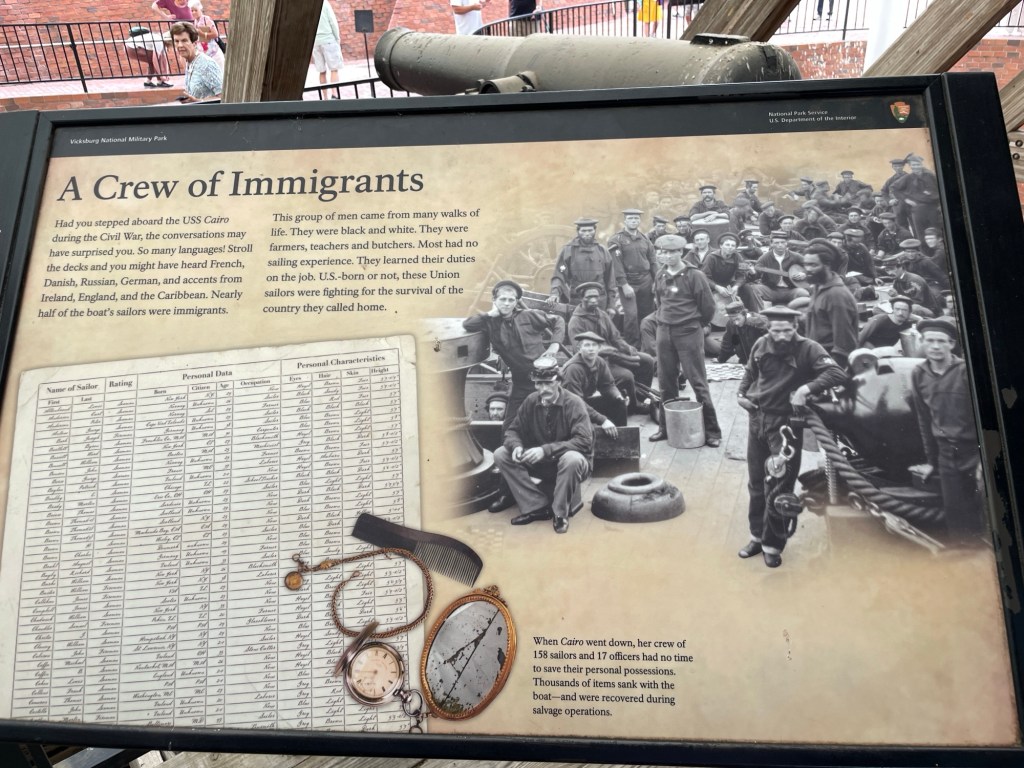
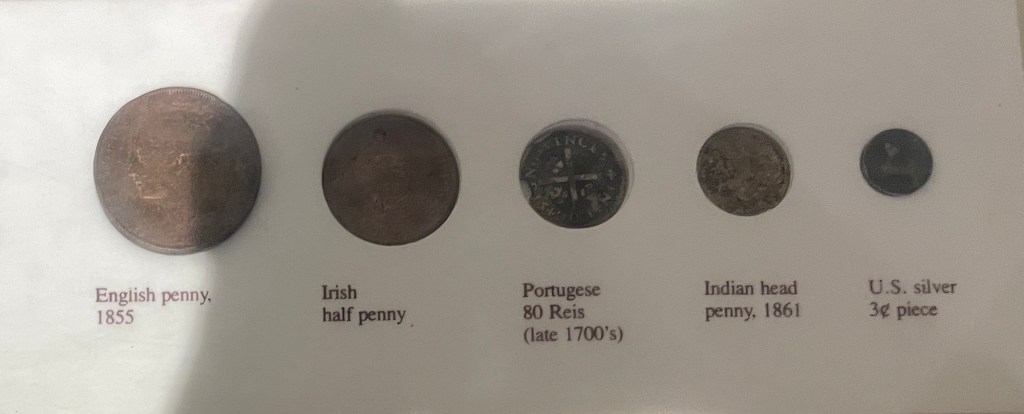
An interesting fact, the crew on these ships were mostly immigrants. The artifacts prove this out!
So much history to absorb in 3 hours! We definitely thought we needed more time. Worth a visit.
 Traveling Lynn