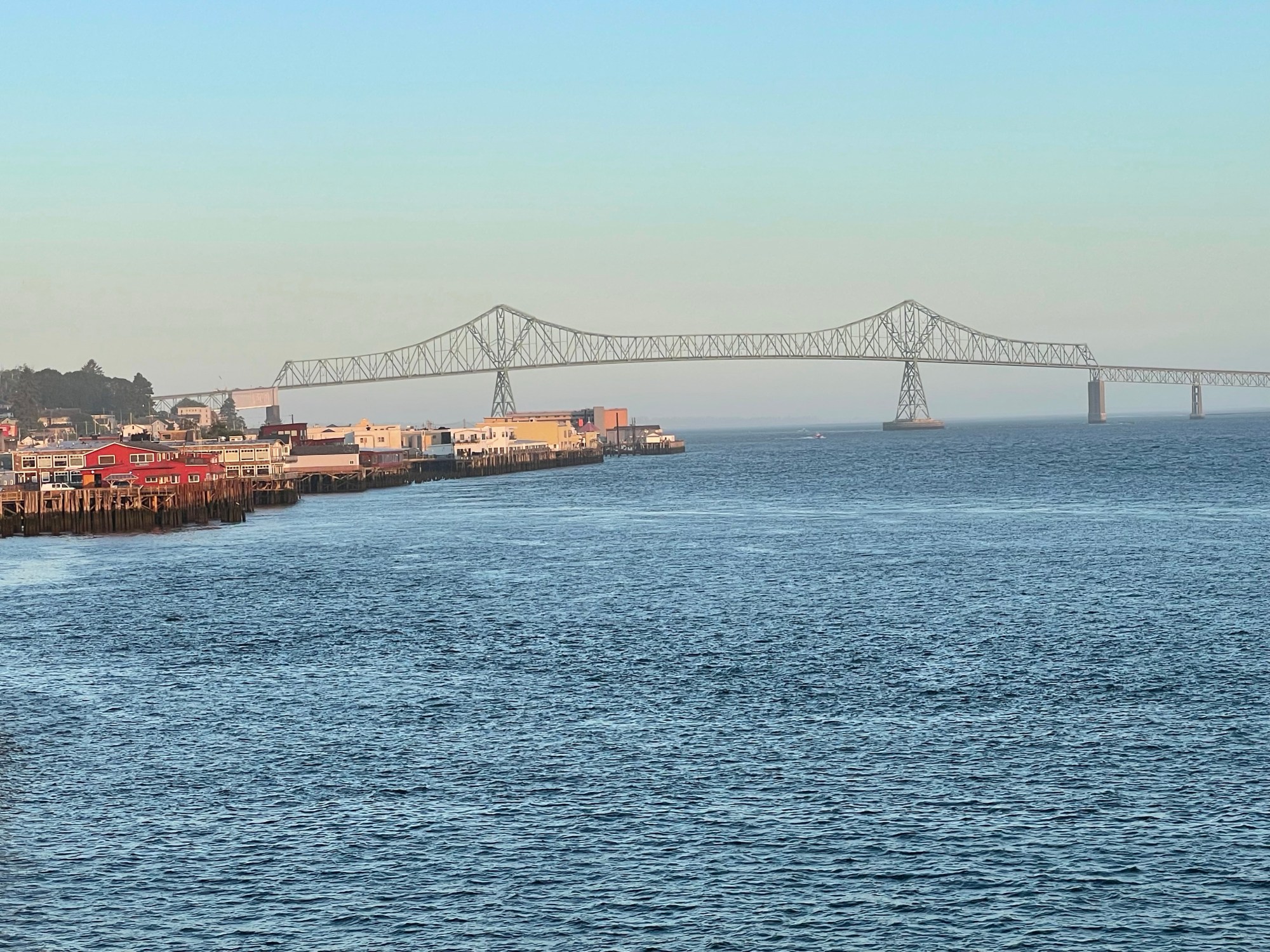
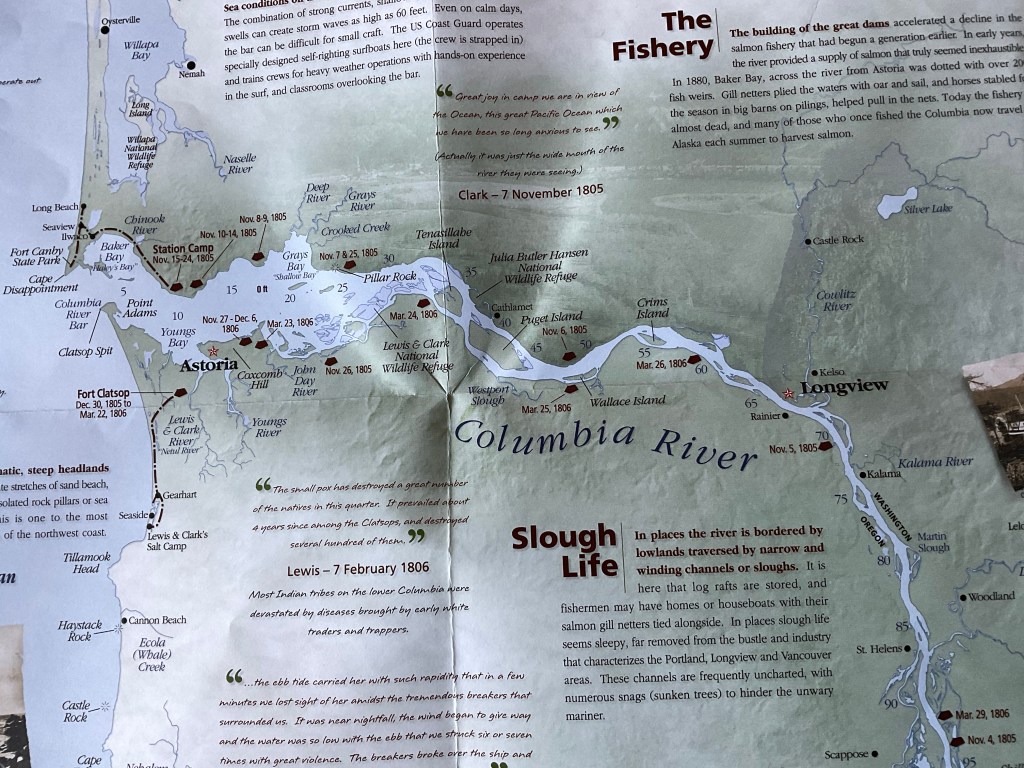
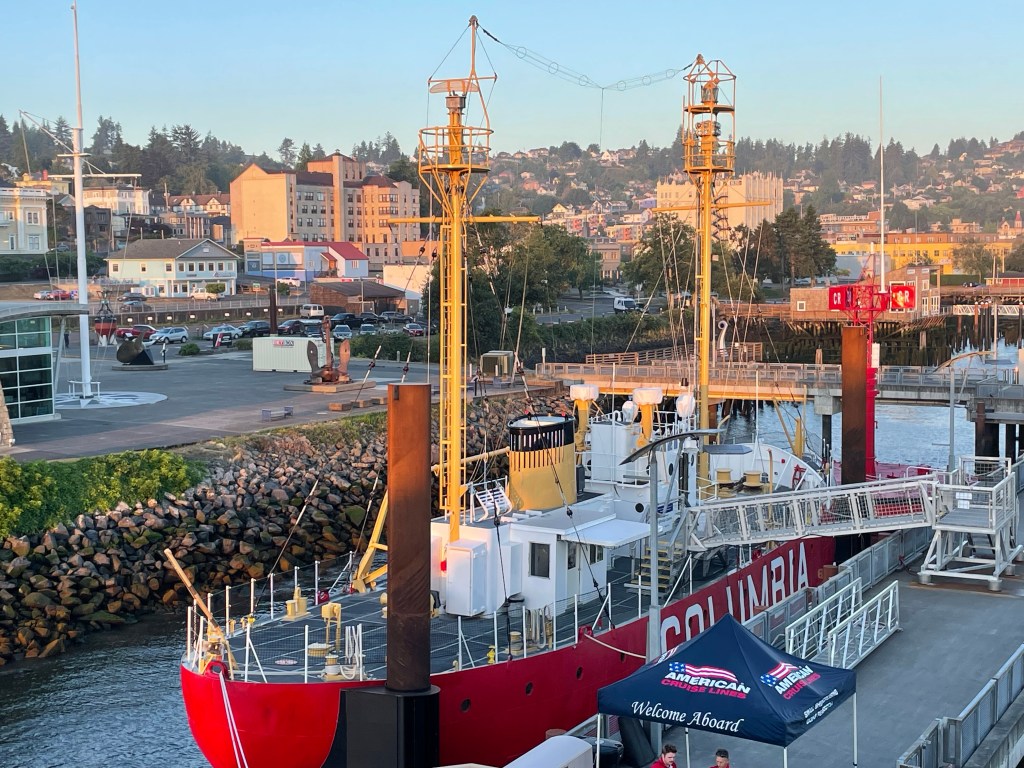
The ship sailed overnight from Kalama to the city of Astoria, Oregon at the mouth of the Columbia River just a few miles from the Pacific Ocean. Astoria is considered the oldest American settlement west of the Rocky Mountains. This city has a long history. Captain Robert Gray on the Ship Columbia came here in 1792 and named the river after his ship. Lewis and Clark were here in 1805 along with fur traders who actually settled in this area in 1806. The first overland people arrive in 1812, pioneers in 1834 and the railroad arrives in 1880’s.
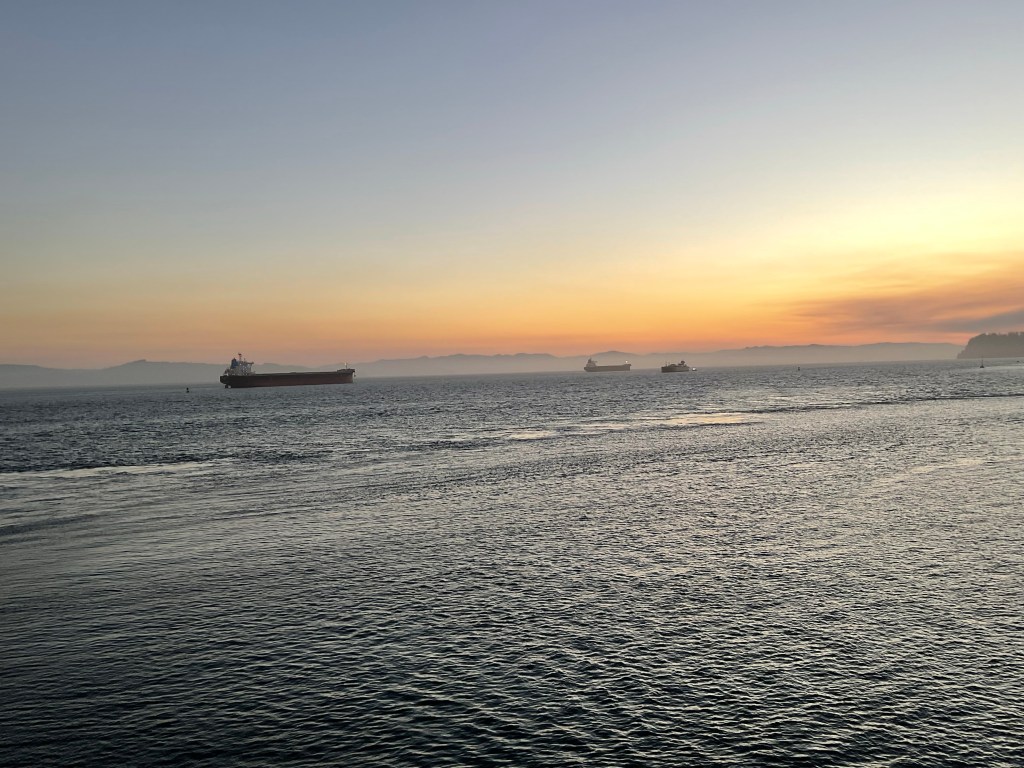
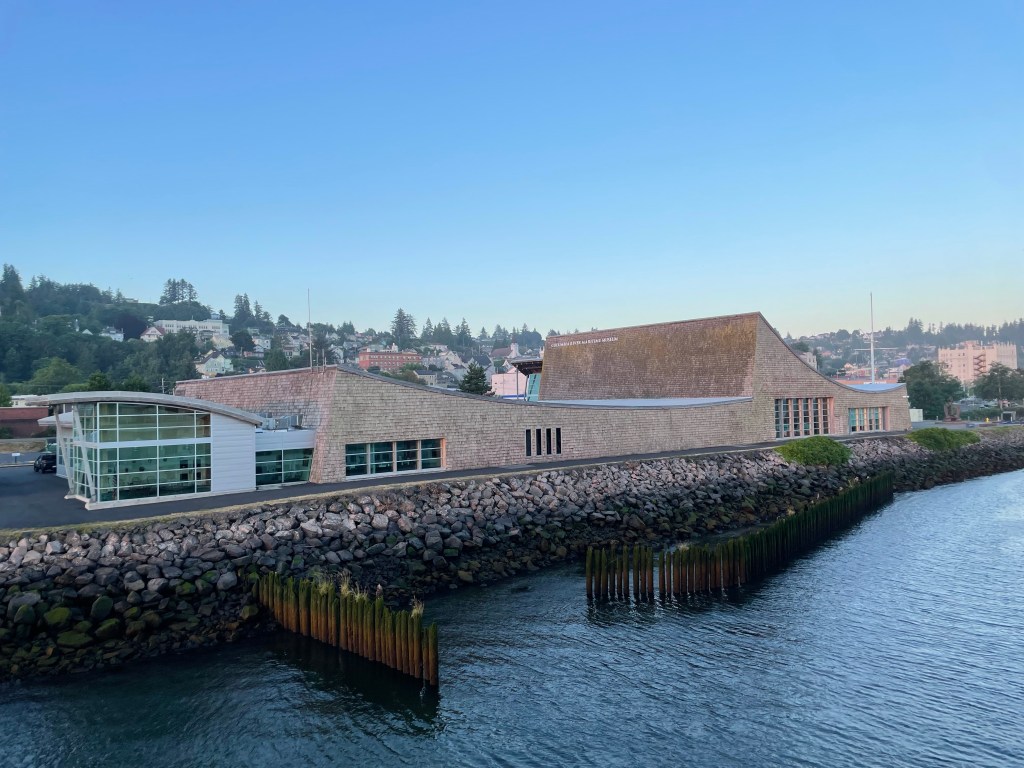
Docking this morning at sunrise, there are several cargo ships anchored and waiting in the river. The Columbia River Maritime Museum is on shore next to the ship’s dock and there are several more museums in the town.


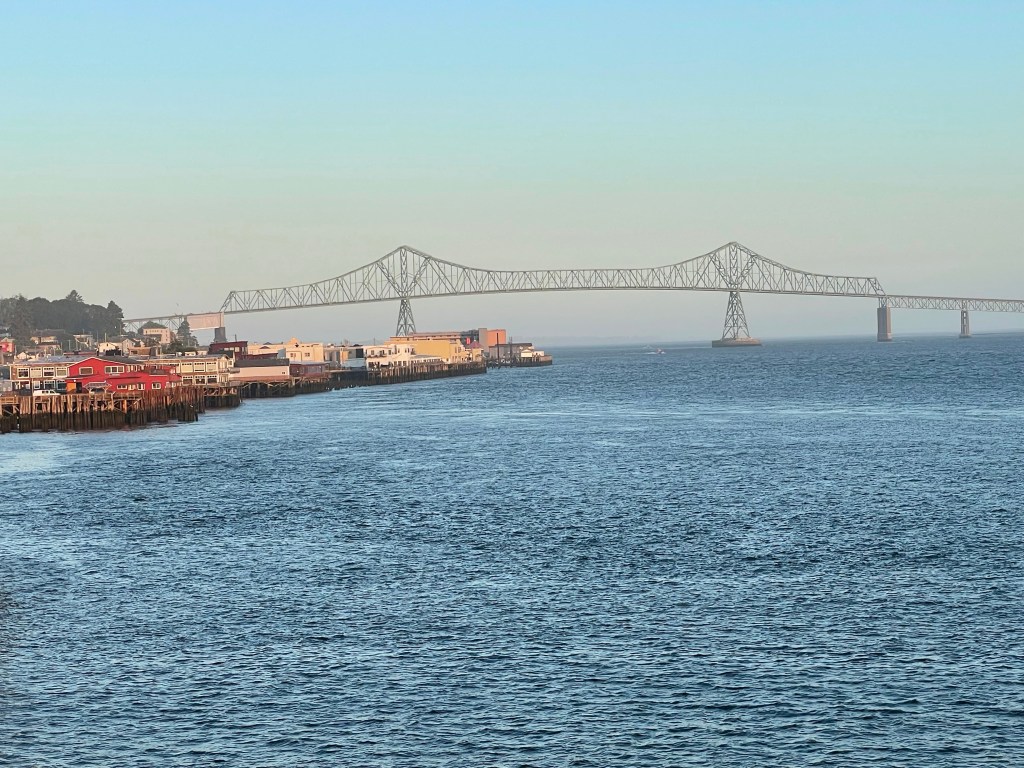
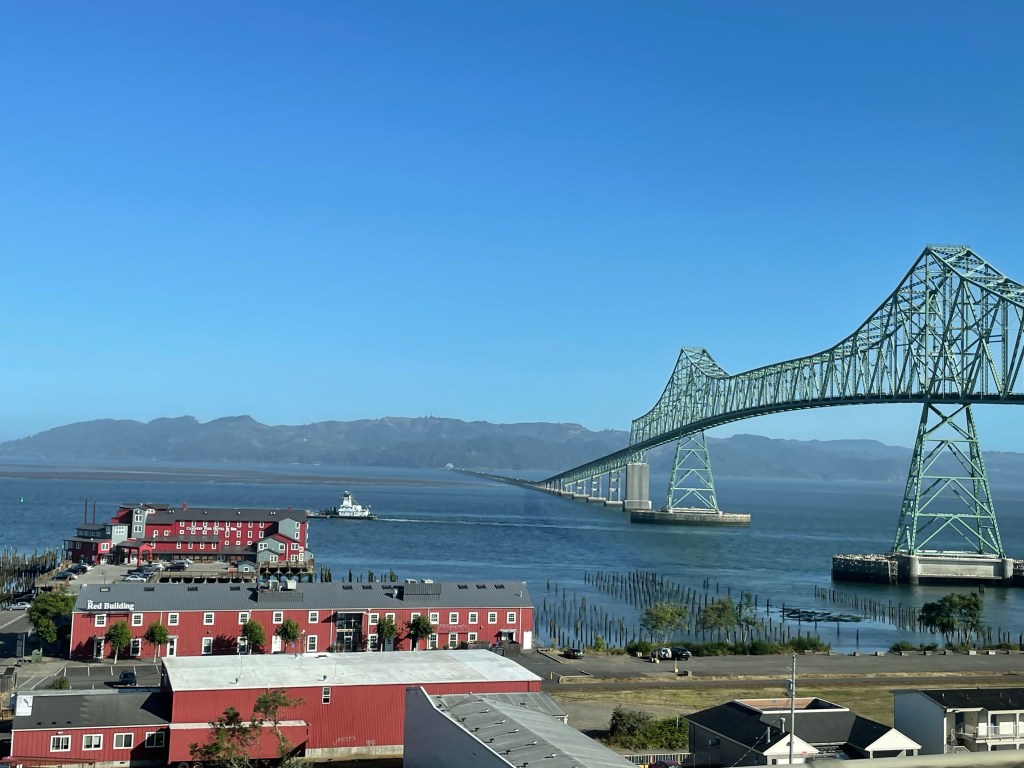
We can see the Astoria-Megler bridge which spans the Columbia River (4.1 miles) linking Oregon and Washington and is part of the Pacific Coast Highway. The bridge opened in 1966 and is the longest continuous three-span through-truss in the world. Before this bridge only ferries could take people and their cars across the river and sometimes would not run in winter when there was bad weather.
Our adventure today is to Cape Disappointment State Park. Located in Washington state, it is the site where Lewis and Clark Expedition first saw the Pacific Ocean. Fun that we get to cross the Astoria-Megler bridge.
Our tour guide is good and has lots of stories about the area. He says he is a “historian by training and by inclination.” He tells us several about why it is called Cape Disappointment and why a beach in the park is called Waikiki beach. He makes the drive to and from the park entertaining us. First stop is Waikiki beach.

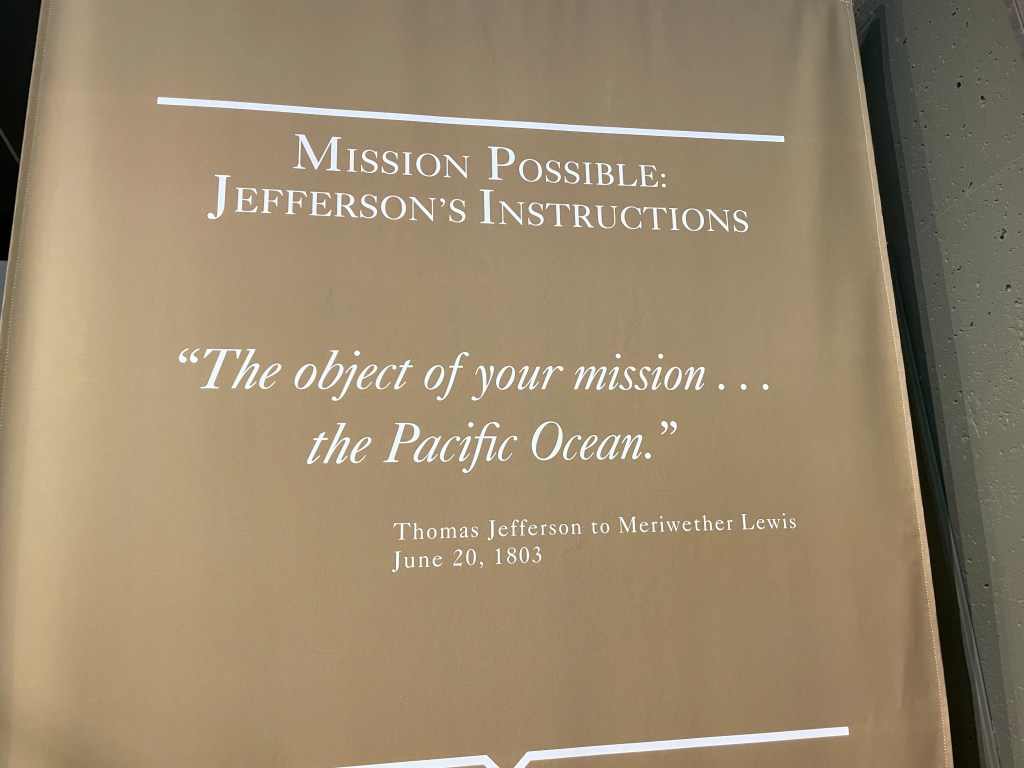
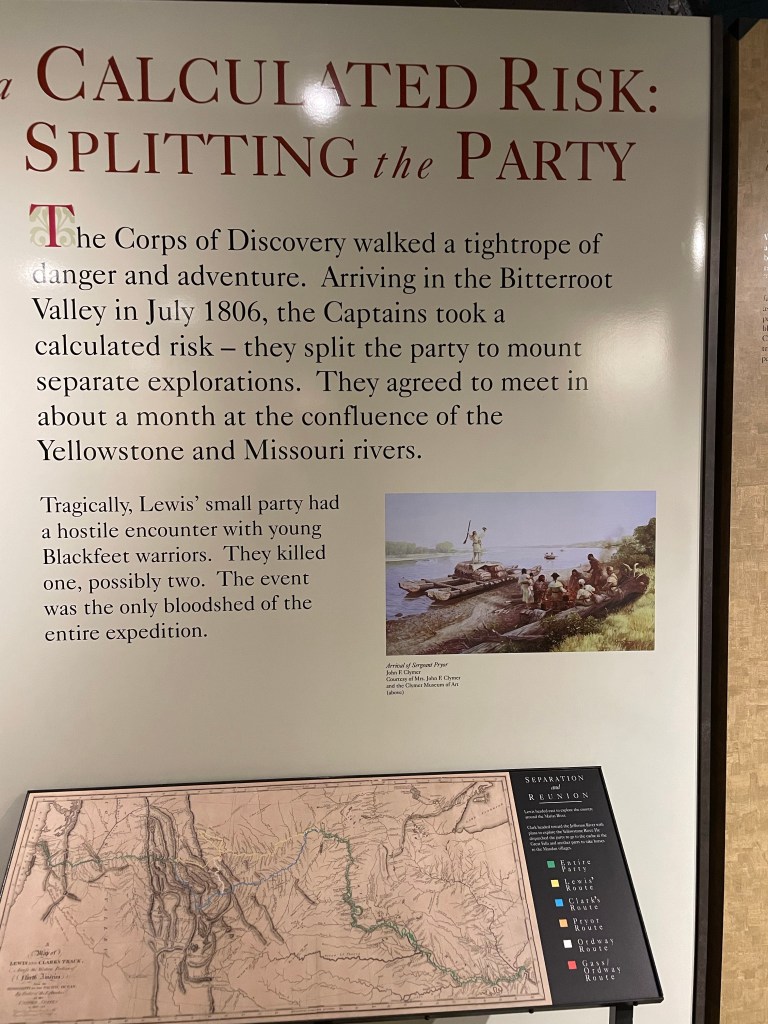
In the park, there is Lewis and Clark Interpretive Center which holds exhibits and runs a movie telling the history of the expedition.



A scenic overlook allows you to see where the mouth of the Columbia River and Pacific Ocean meet. The Cape Lighthouse built in 1856 is the oldest in Oregon/Washington. To tame the river/ocean intersection, two huge jetties were created and a channel dreaded to make navigation better. Before these improvements, over 2,000 ships were wrecked and lost at the sandbars that exist along with rough currents and waves. It was/is known as the Graveyard of the Pacific.


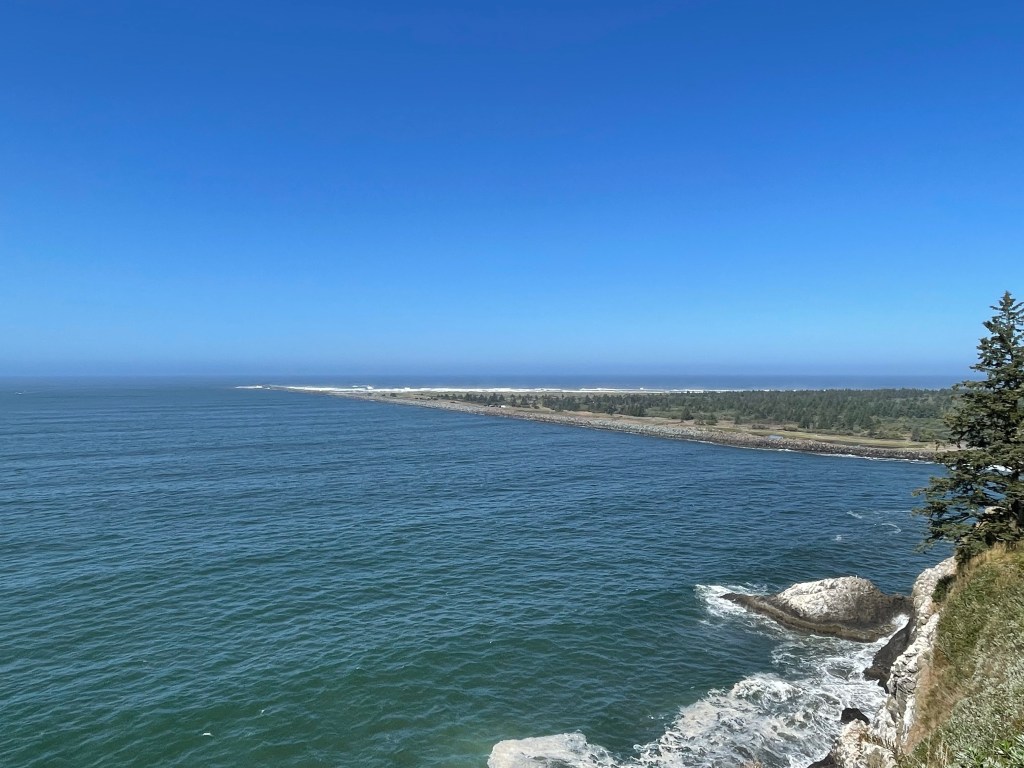


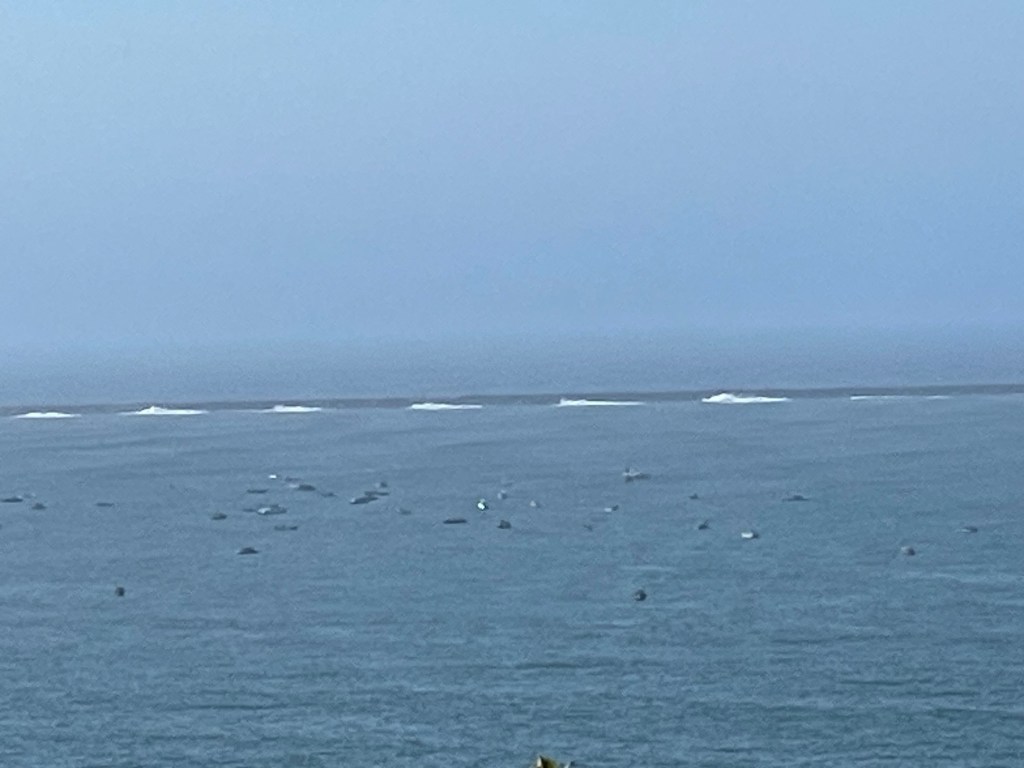
We are lucky the weather today is very nice and cool. There are a lot of fisherman on boats at the mouth of the river taking advantage of the tides. The tidal flow actually reverses the river twice a day. The cargo ships anchored in the river actually swing around and face the other direction as the tide changes.
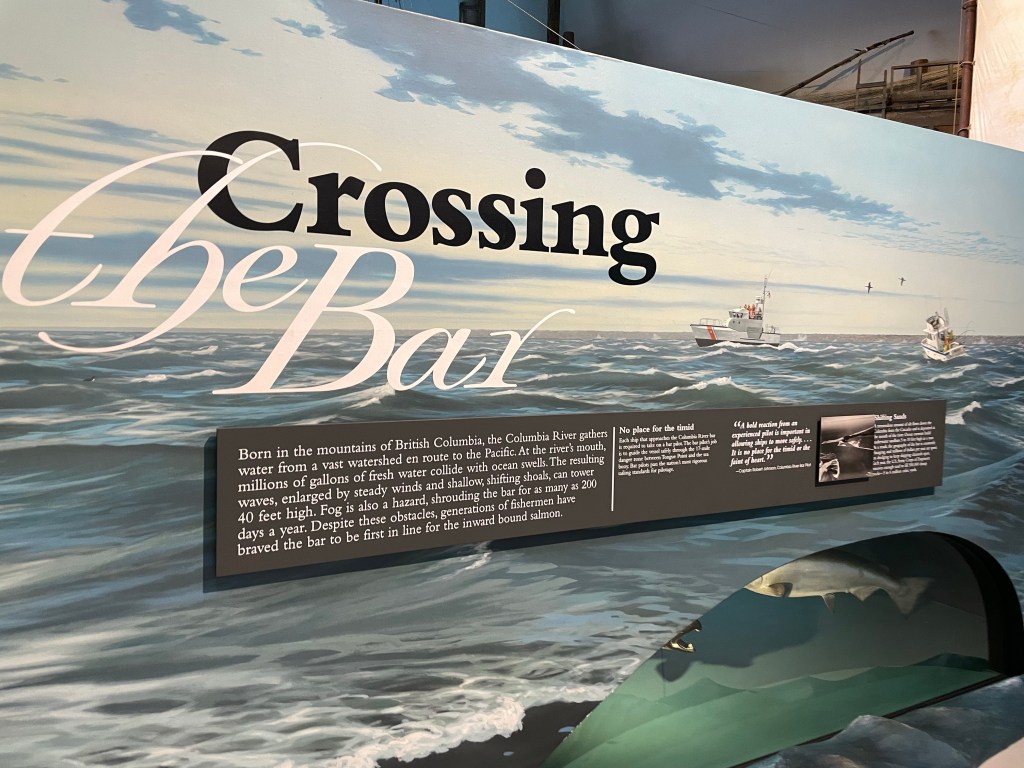
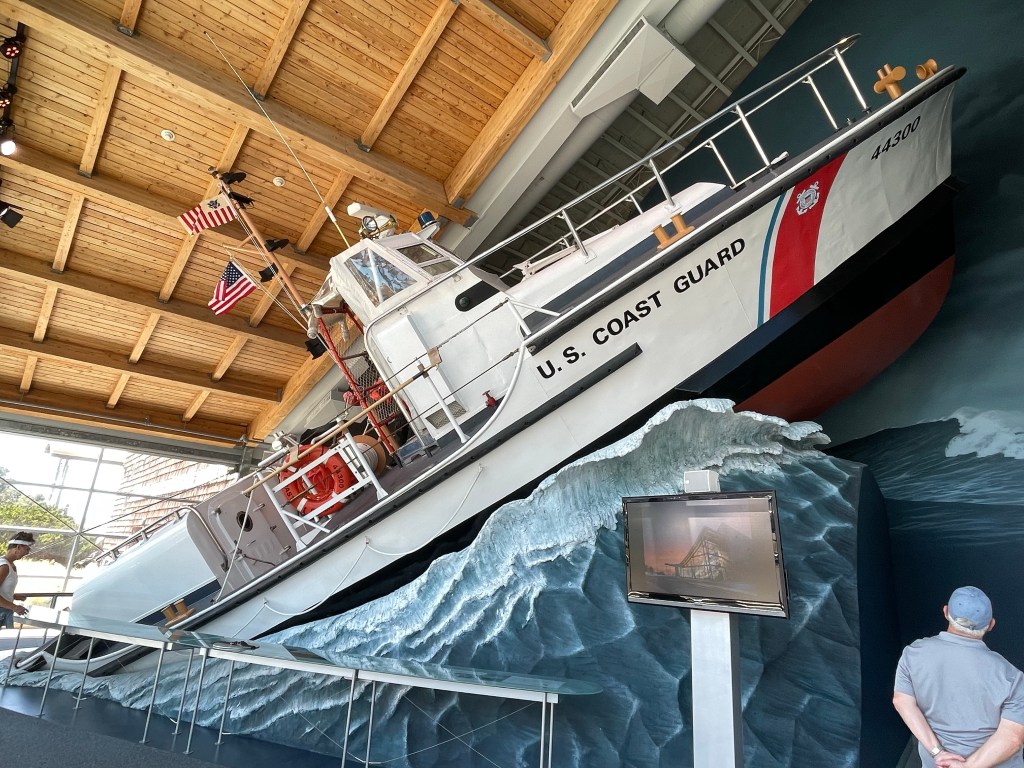
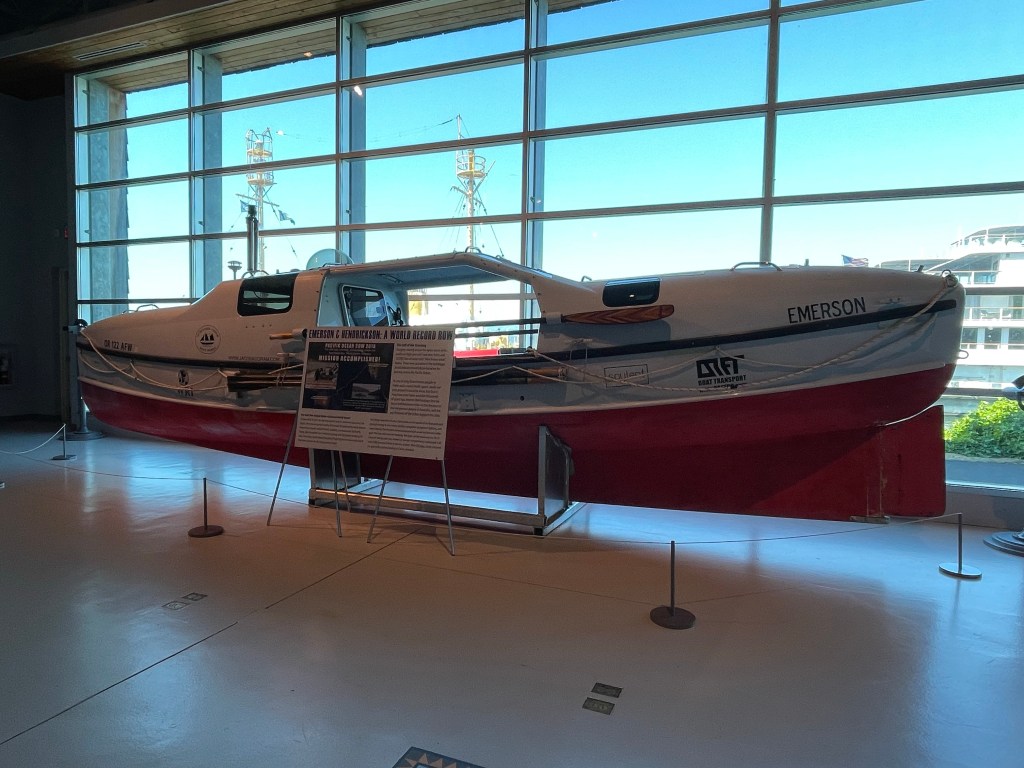
Later, I stop in the Maritime Museum. There is information relating to the challenges of various types of ships in this area. There is also a rescue boat used by the Coast Guard to help rescue people. Worth a stop.



A Guinness record setting boat used to row across the Pacific is on display.

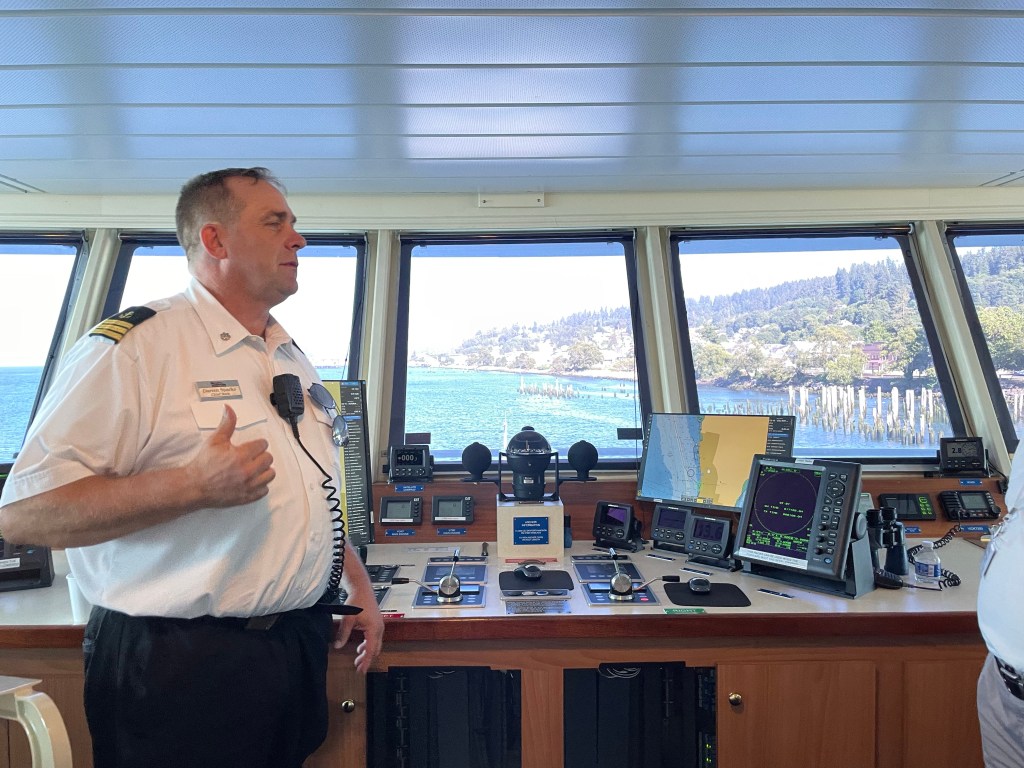
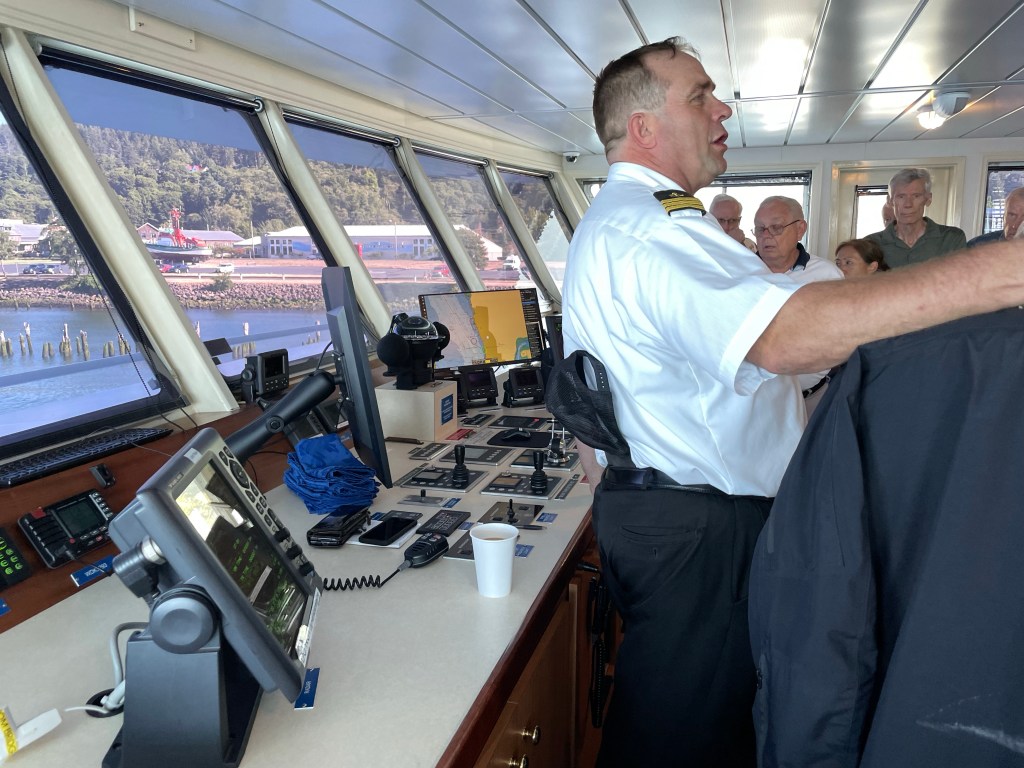
Back on our ship, the pilot house is opened for a peak and explanation of how it operates along with answering questions.

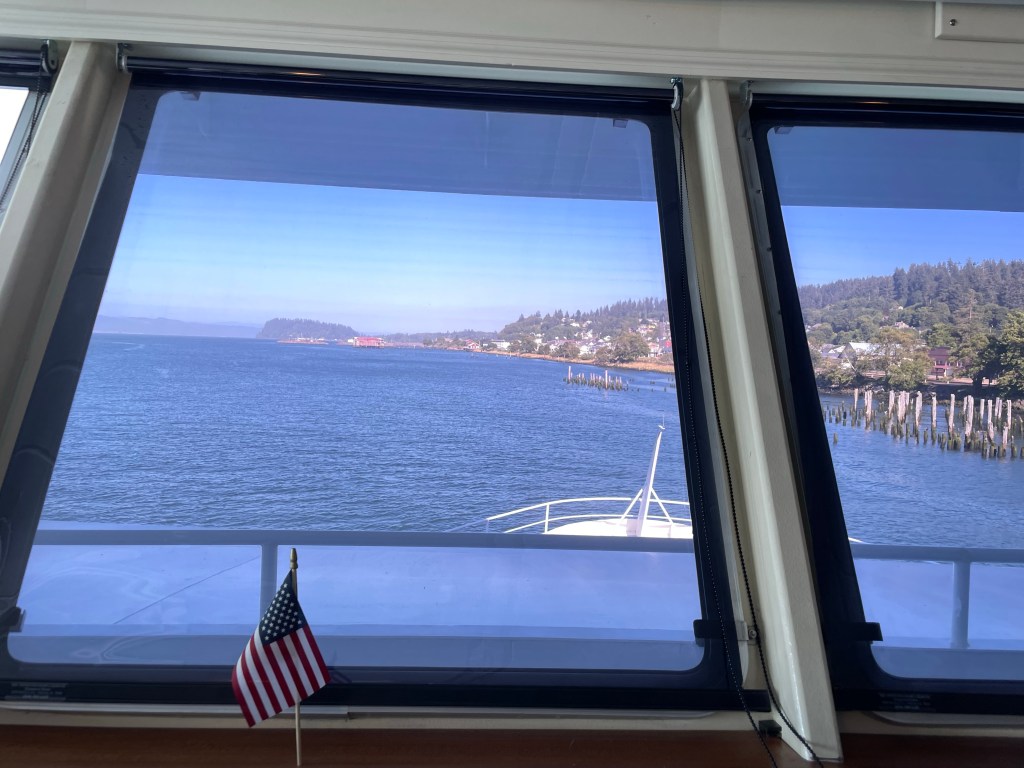

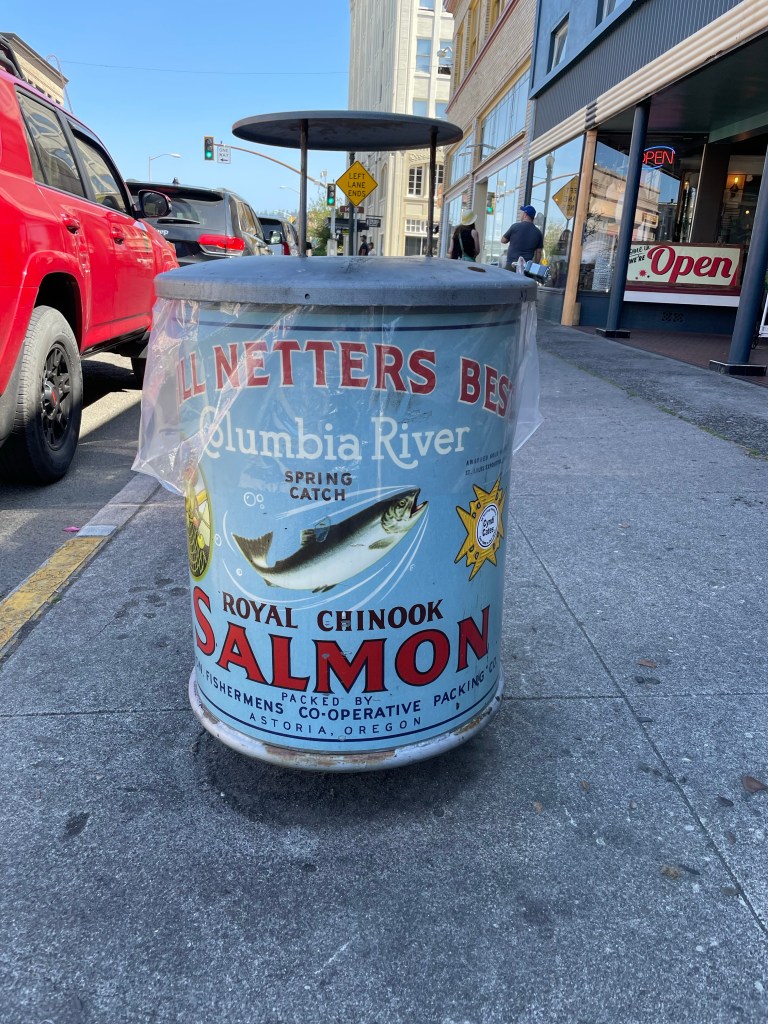
A short tour around the town of Astoria with lots of history shared. The location of the town made it a place for many canneries in the mid-1800’s when ships would come to gather up the fish and load/unload cargo. In 1885 Bumble Bee came in built warehouses that froze the fish so they could can it all year. Now, you can fish and then can the fish right on the boat so all the canneries are gone. Only warehouses remain where the cans can be stored until it is time to ship. A hotel along the water was built to look like an old cannery building.
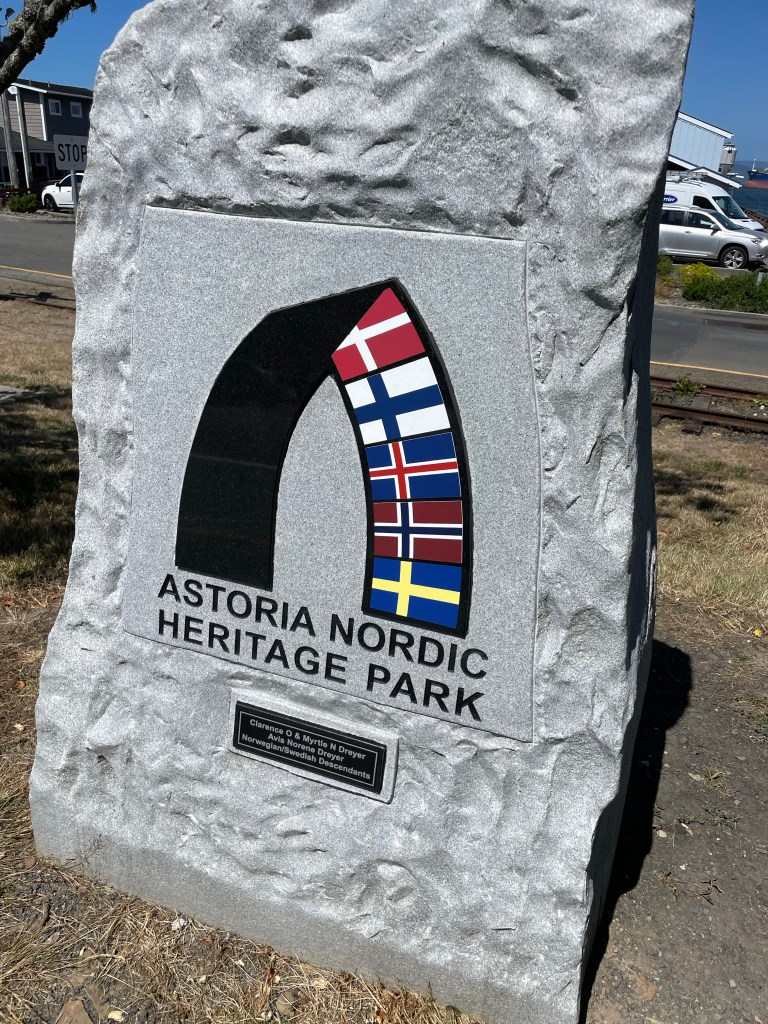
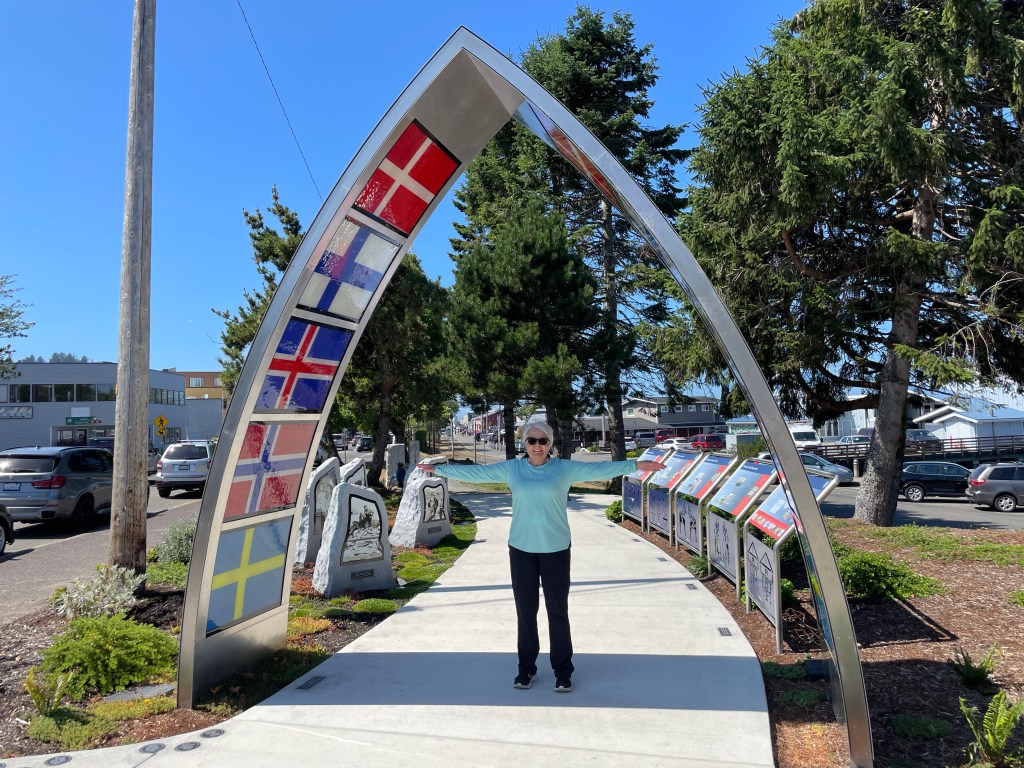
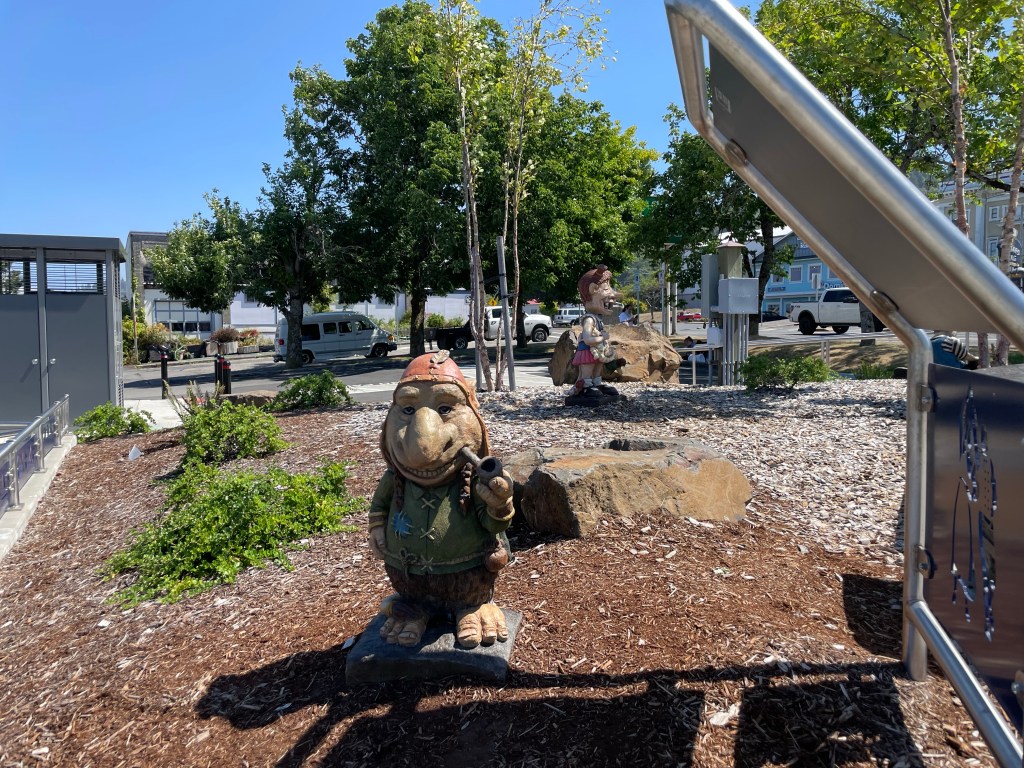
There is an area of town that was settled by the Finnish and other Nordic countries. The town has erected a small park to recognize their contribution to the history of the town.

In 1922 there was a huge fire that destroyed a large portion of the town along the river. About 300 houses up the hill survived the fire, one being the Flavel House. Captain Flavel built this house in 1886 as a result of making his money as a River Pilot Captain. We drove by it but I didn’t tour it.
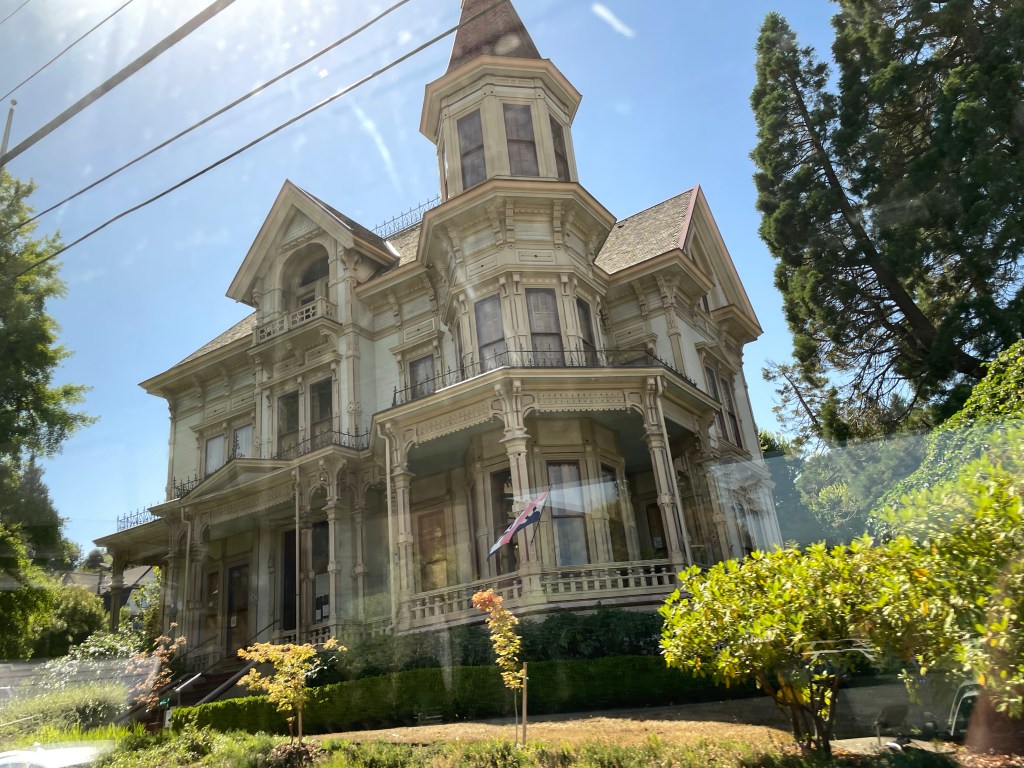

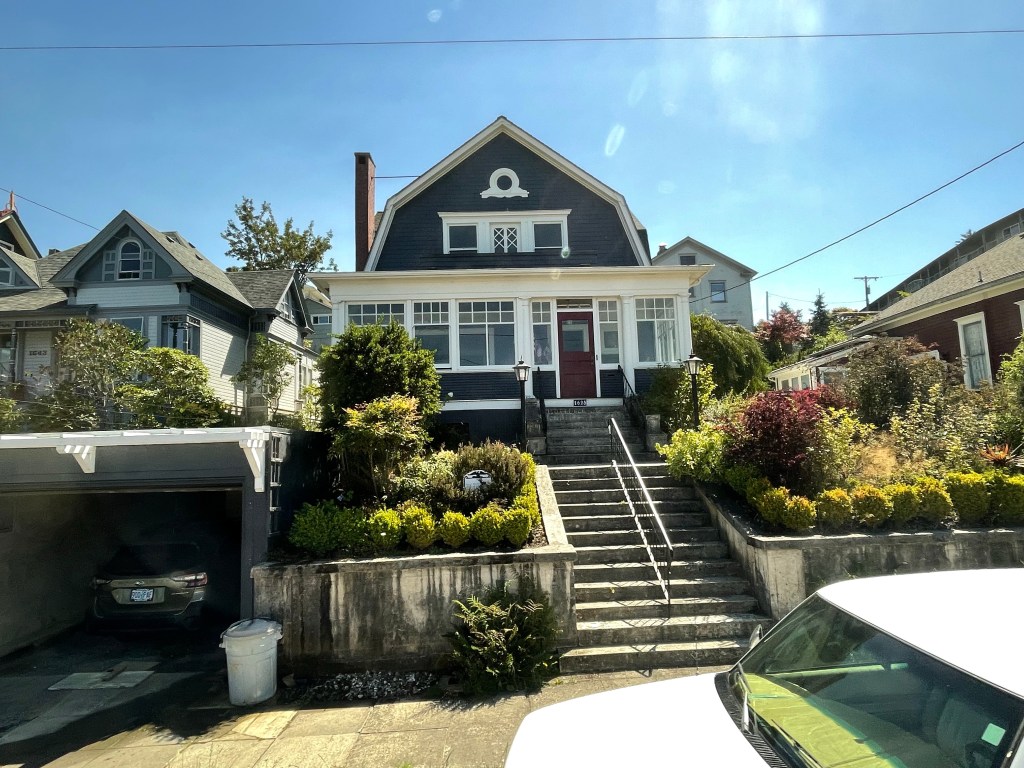

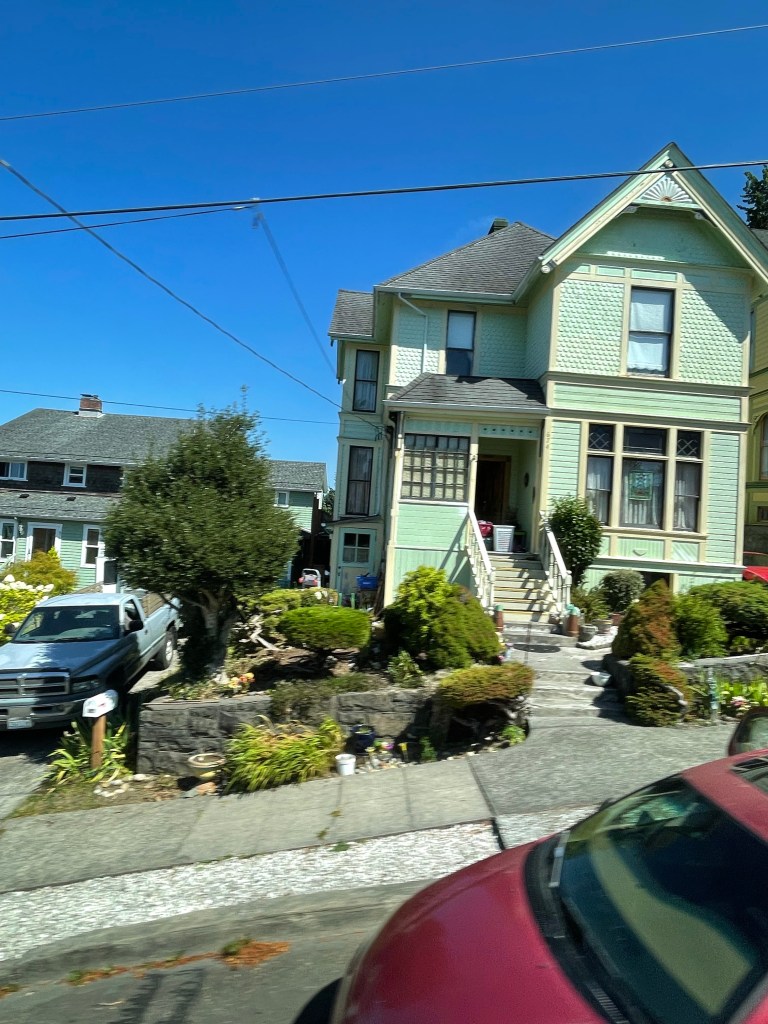
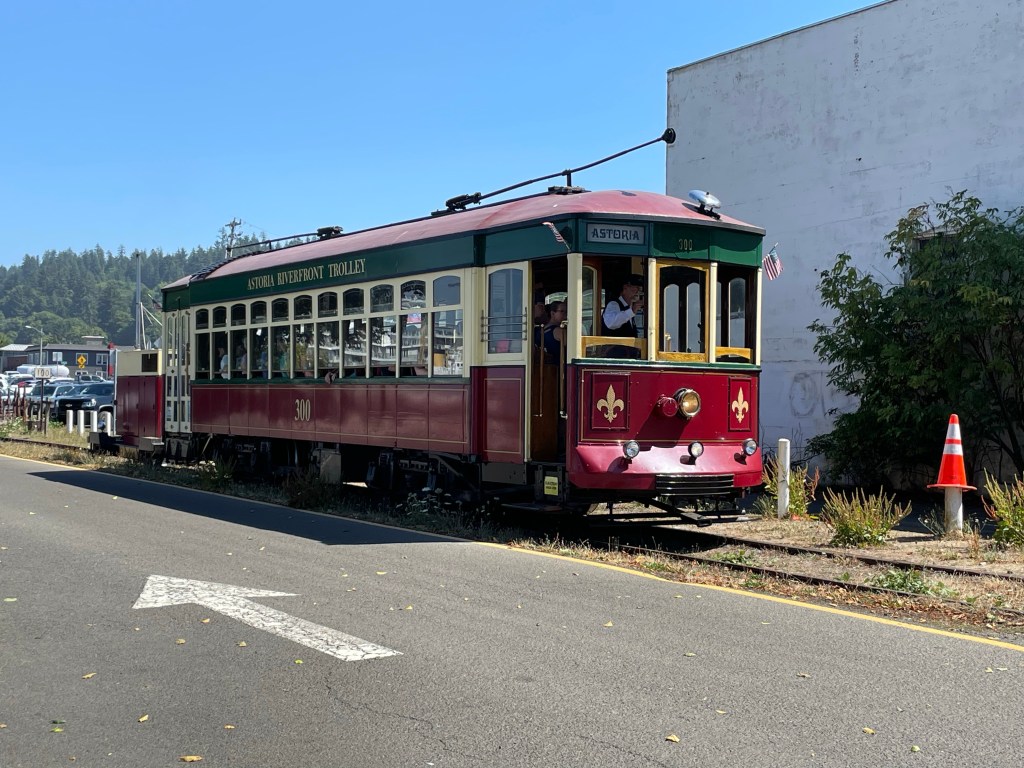
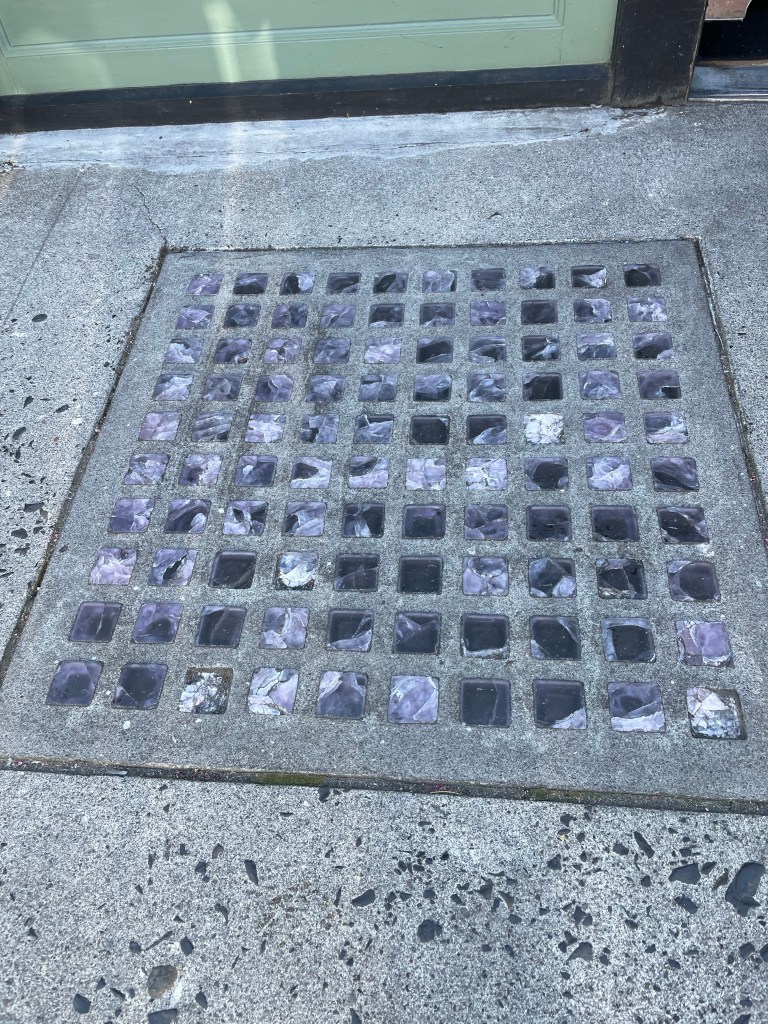
The other buildings on Main Street were built after the fire. As a result of the fire destroying everything downtown, they built underground tunnels to house utilities and storage. Remember the blocks in the sidewalks to provide light to the underground in Pendleton? There is also a trolley that runs 3 miles along the waterfront that we see and a large column or obelisk at the top of the hill which I did not go and see.
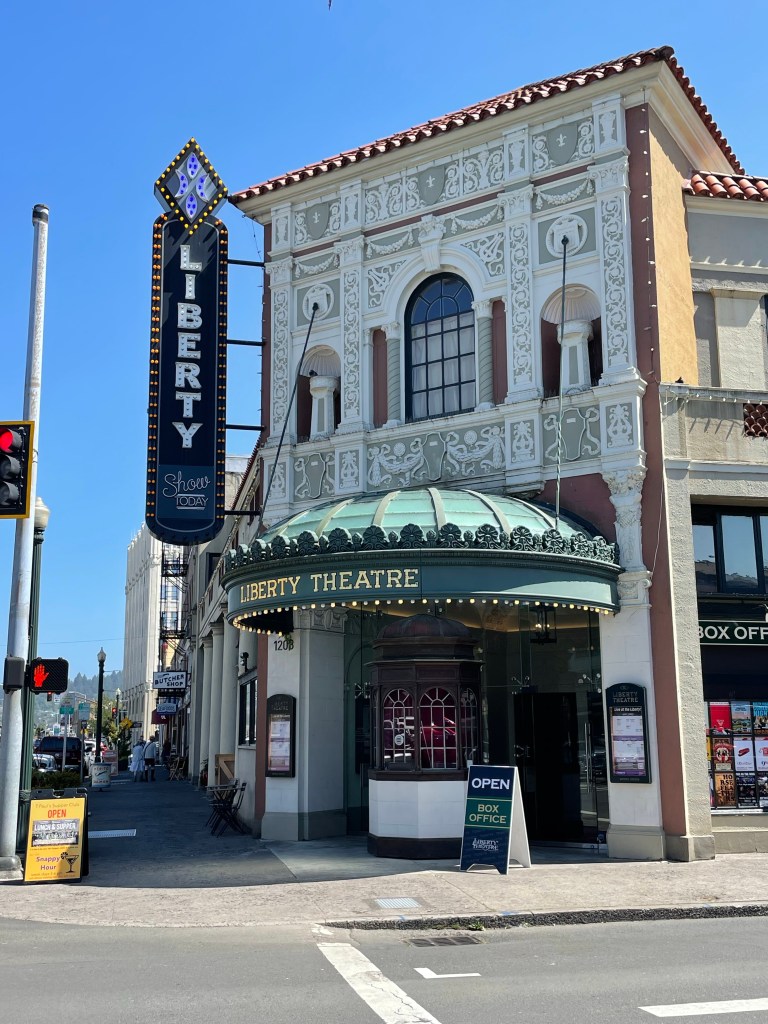

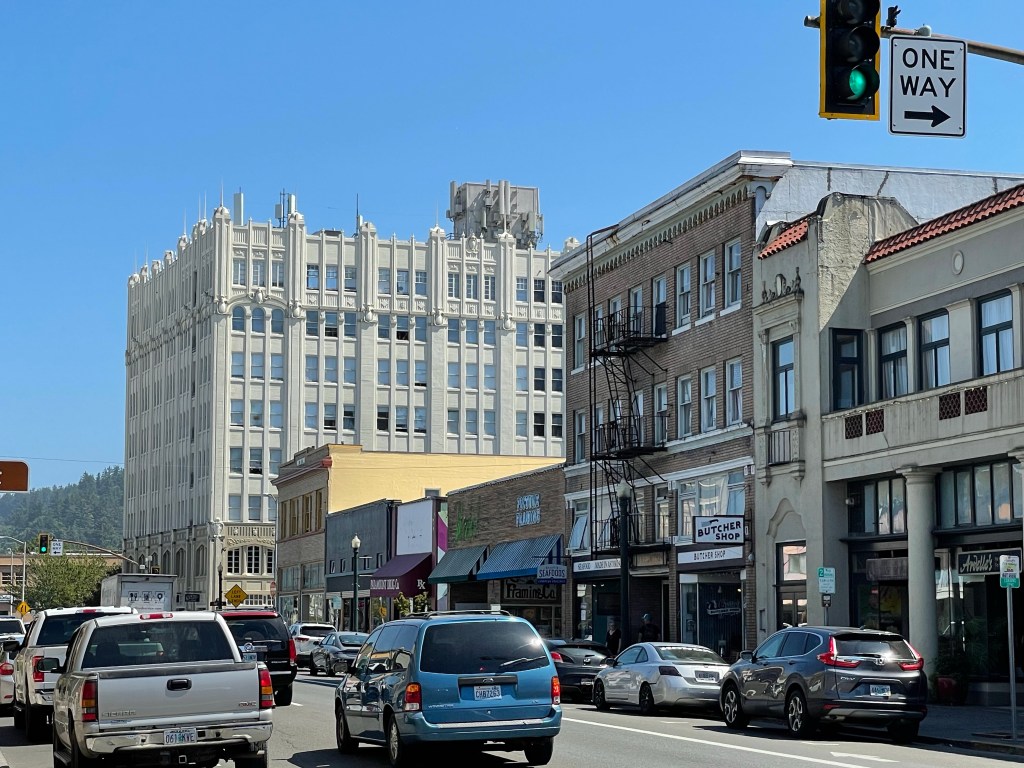
Several motion pictures have been filmed in the town. A historic building that was an actual jail (from 1914-1976) was the scene of the famous opening jail break in the Goonies movie.

I’ll end this post with a couple of pictures of trash cans. These are around the town in deference to the canneries now long gone.

The ship will be docked overnight in Astoria and sail in the morning back up the river to Portland where we will disembark tomorrow. This cruise has gone fast!
 Traveling Lynn